hair · · 5 min read
Hair Fall in Delhi: Hard Water, Pollution, Stress & What Actually Helps
Why so many people in Delhi struggle with hair fall and dandruff — from hard water and pollution to stress and nutrition — and the treatments that help.
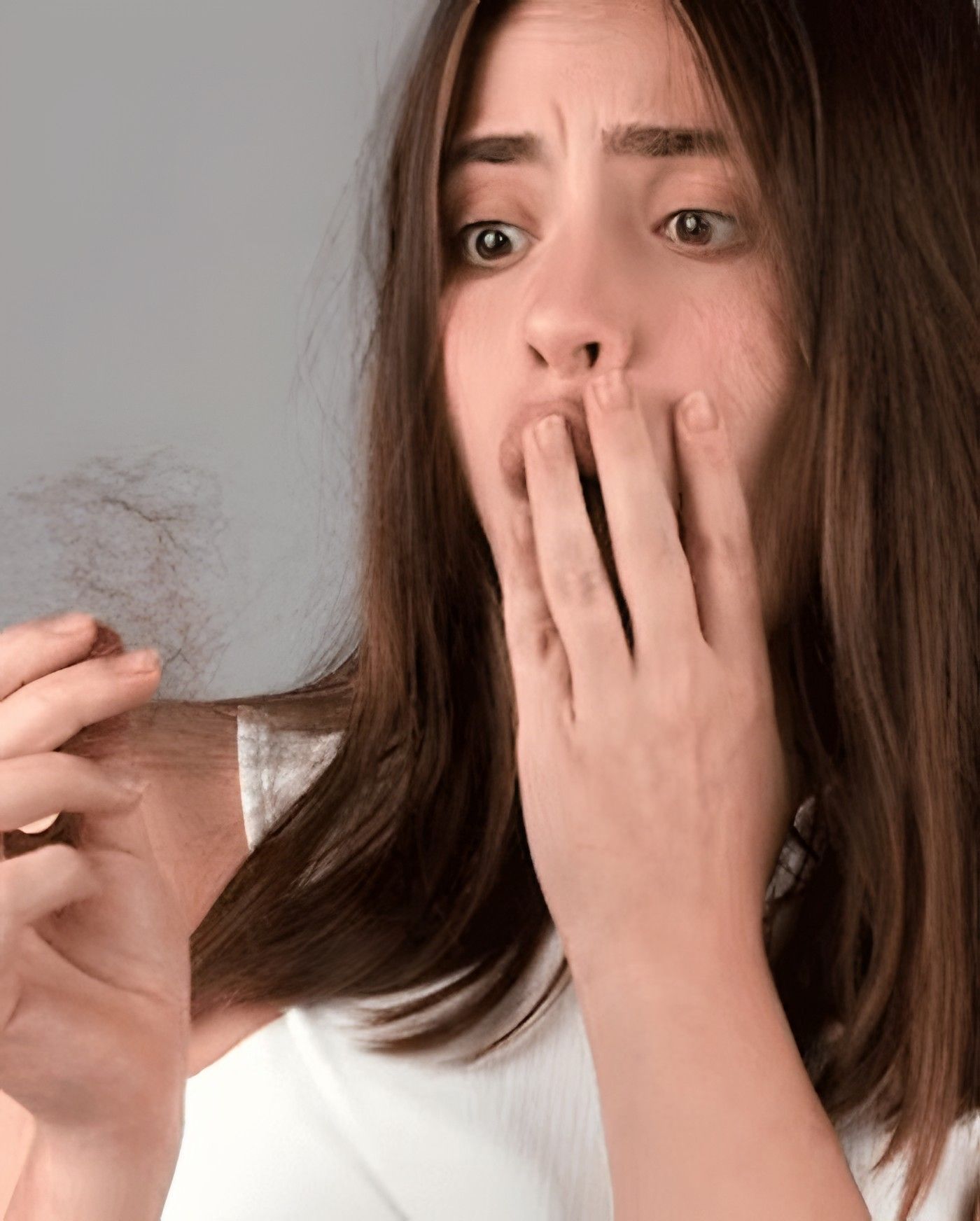
If you live in Delhi and feel like you’re losing more hair than you used to, you’re far from alone. Hair fall and dandruff are among the most common concerns we hear about at The Asense — and the city’s environment plays a bigger role than many people realise.
This guide explains what’s normal, what’s not, the most common causes in Delhi and what actually helps.
How much hair fall is normal?
Hair grows in cycles: a long growth phase, a short transition phase and a resting phase, after which the hair sheds and a new one starts to grow. Because of this, losing around 50 to 100 hairs a day is generally considered normal.
It’s time to pay attention if you notice:
- Clumps of hair in the shower drain or on your pillow
- A widening parting or more visible scalp
- A receding hairline or thinning at the crown
- Your ponytail feeling noticeably thinner
- Sudden, heavy shedding after illness, stress or childbirth
Common causes of hair fall
Hair thinning, dandruff, scalp sensitivity, oil imbalance, and hair fall can result from stress, hormonal imbalance, nutritional deficiencies, pollution, hard water exposure, and improper scalp care.
Hard water
Many parts of Delhi have hard water — water with a high mineral content. Those minerals can build up on the hair and scalp, leaving hair dry, rough and brittle, making it more likely to break, and contributing to dandruff and irritation. Hard water doesn’t usually cause hair loss on its own, but it can make hair look thinner and feel weaker.
What helps: a gentle clarifying shampoo once a week, a good conditioner, and — where practical — a shower filter.
Pollution
Delhi’s air pollution doesn’t just affect your lungs and skin. Particulate matter settles on the scalp, mixes with sebum and sweat, and can trigger inflammation and oxidative stress around the follicles. Many people notice their scalp feels oilier, itchier or more flaky during high-pollution months. We cover this in more depth in our guide to Delhi pollution and your skin.
What helps: regular, thorough washing, covering hair outdoors on bad air days, and scalp-focused care.
Stress
Significant physical or emotional stress can push a large number of hairs into the resting phase at once, leading to noticeable shedding a few months later (a condition called telogen effluvium). The good news is that this type of hair fall usually recovers once the stress settles.
Hormonal factors
Hormonal changes — such as after pregnancy, with thyroid conditions or with PCOS — commonly affect hair. Pattern hair loss, which has a genetic and hormonal component, causes gradual thinning in a typical pattern in both men and women.
Nutrition
Hair is sensitive to nutritional gaps. Low iron, vitamin D, vitamin B12, protein or zinc can all contribute to hair fall. Crash diets are a common trigger. A blood test can identify deficiencies — don’t self-prescribe high-dose supplements.
Scalp health and dandruff
An unhealthy scalp makes for unhealthy hair. Dandruff, oiliness, build-up and irritation all affect the environment hair grows in, and scratching causes breakage.
Lifestyle and hair care habits
Poor diet, stress, irregular sleep, heat styling, harsh chemicals, and neglecting scalp hygiene can weaken hair follicles and impact long-term scalp health. Tight hairstyles, frequent colouring and rough towel-drying add to the damage.
Hair fall myths
- “Oiling stops hair fall.” Oil can soften hair and reduce breakage, but it doesn’t treat the causes of hair loss — and leaving oil on an oily, flaky scalp for long periods can worsen dandruff.
- “Washing hair often makes it fall out.” The hairs you see in the shower were already shed. Regular washing keeps the scalp clean and healthy.
- “Cutting hair makes it grow faster.” Trims prevent split ends, but hair grows from the follicle, not the tips.
What you can do at home
- Wash regularly with a mild shampoo suited to your scalp, and clarify weekly if you have hard water.
- Treat dandruff consistently rather than occasionally.
- Eat enough protein and a balanced diet; check for deficiencies with your doctor.
- Be gentle — avoid tight hairstyles, limit heat styling and pat hair dry.
- Manage stress and sleep, which affect hair more than most people expect.
- Protect hair outdoors on high-pollution days.
In-clinic hair and scalp treatments
When home care isn’t enough, professional treatment can help strengthen follicles, improve scalp health and support regrowth. Treatment is most effective when started early.
At The Asense, hair and scalp care begins with a detailed consultation to understand the cause of your hair fall. Treatments include:
- Root Reboot — an advanced hair regrowth treatment designed to strengthen follicles, stimulate natural growth and reduce ongoing hair fall. Ideal for thinning, early-stage hair loss or reduced density.
- Follix — an advanced scalp treatment designed to address dandruff while restoring overall scalp health — ideal for flaking, itchiness or build-up.
PRP is another treatment commonly used for hair loss: most patients require three to four sessions initially, followed by maintenance treatments.
When to see a professional
Book a consultation if your hair fall has lasted more than a couple of months, if you see thinning patches or a widening parting, if hair fall is sudden and heavy, or if it comes with an itchy, flaky or painful scalp.
The Asense is in West Punjabi Bagh, easily reached from Rajouri Garden, Paschim Vihar, Shalimar Bagh, Ashok Vihar and Pitampura. Book a consultation to find out what’s behind your hair fall and what will help.
This article is for general education and is not a substitute for a personal consultation. Sudden or patchy hair loss can have medical causes that need proper evaluation.
Frequently asked questions
How much hair fall is normal in a day?
Shedding around 50 to 100 hairs a day is generally considered normal, as hair naturally moves through growth and resting cycles. It's worth seeing a professional if you notice clumps of hair falling, a widening parting, visible thinning or a receding hairline.
Does hard water cause hair fall?
Hard water doesn't usually cause hair loss on its own, but the minerals it contains can build up on the hair and scalp, making hair dry, brittle and more prone to breakage, and contributing to dandruff and scalp irritation. A clarifying routine and scalp care can help manage these effects.
Can hair grow back after hair fall?
In many cases, yes. Hair fall caused by stress, illness, nutritional deficiencies or temporary shedding often recovers once the cause is addressed. Pattern hair loss is progressive, but early treatment can help slow it and support healthier, fuller-looking hair.
How many PRP sessions are required for hair loss?
Most patients require 3–4 sessions initially, followed by maintenance treatments.
Is dandruff linked to hair fall?
Dandruff doesn't directly cause permanent hair loss, but the itching, scratching and inflammation it brings can weaken hair and increase breakage. Treating dandruff and keeping the scalp healthy supports better hair growth.