skin · · 5 min read
Acne Scars: Types, Causes & Which Treatment Actually Works
Ice pick, boxcar, rolling scars or just dark marks? A clear guide to acne scar types and the treatments that help — from microneedling to laser.
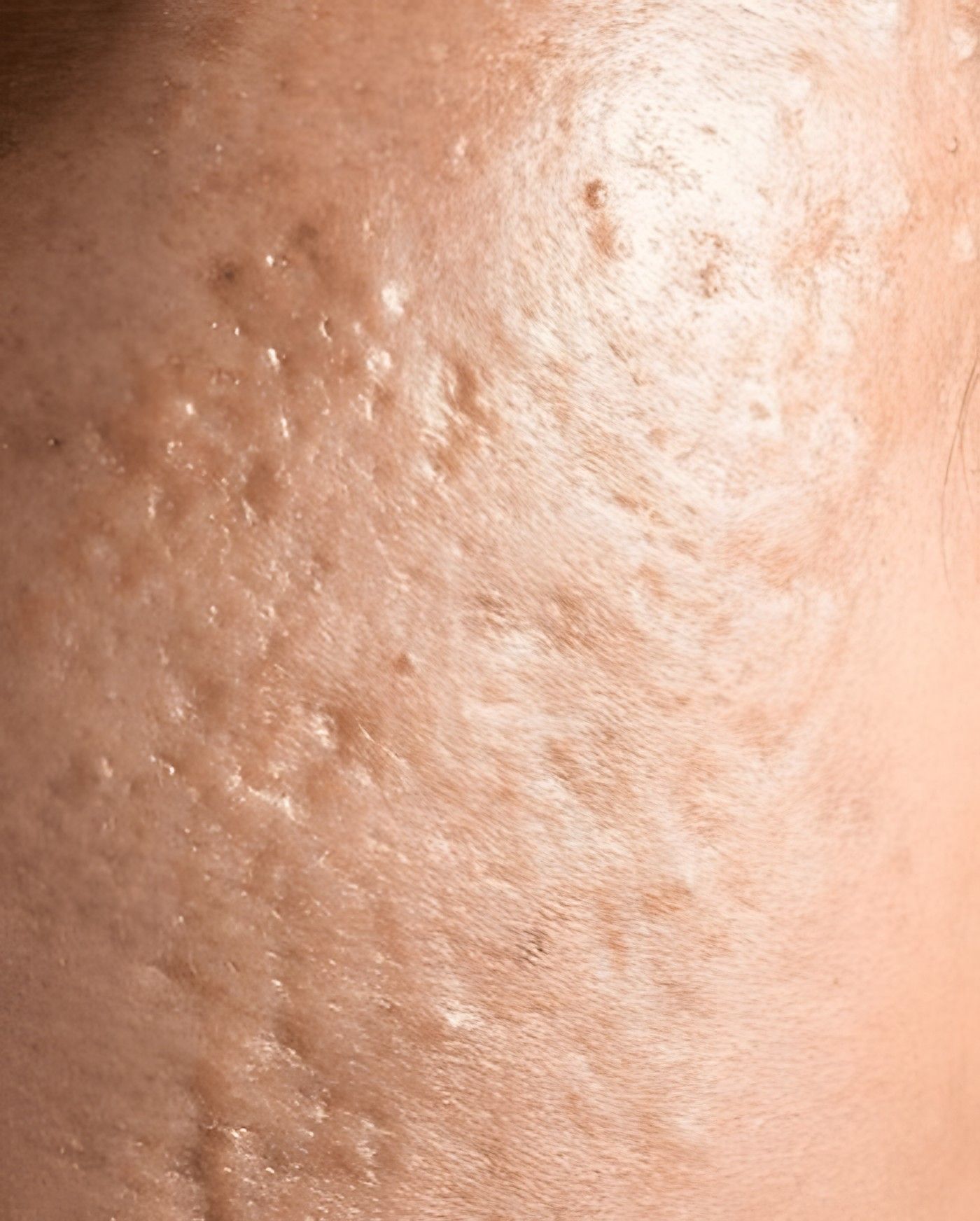
For many people, the breakouts themselves were only half the battle. What lingers afterwards — dents, pits, uneven texture and dark marks — can affect confidence for years. The good news is that acne scars are very treatable. The key is understanding exactly what kind of scarring you have, because different scars respond to very different treatments.
Acne marks vs acne scars: know the difference
This is the most important distinction to make, and it’s where most confusion starts.
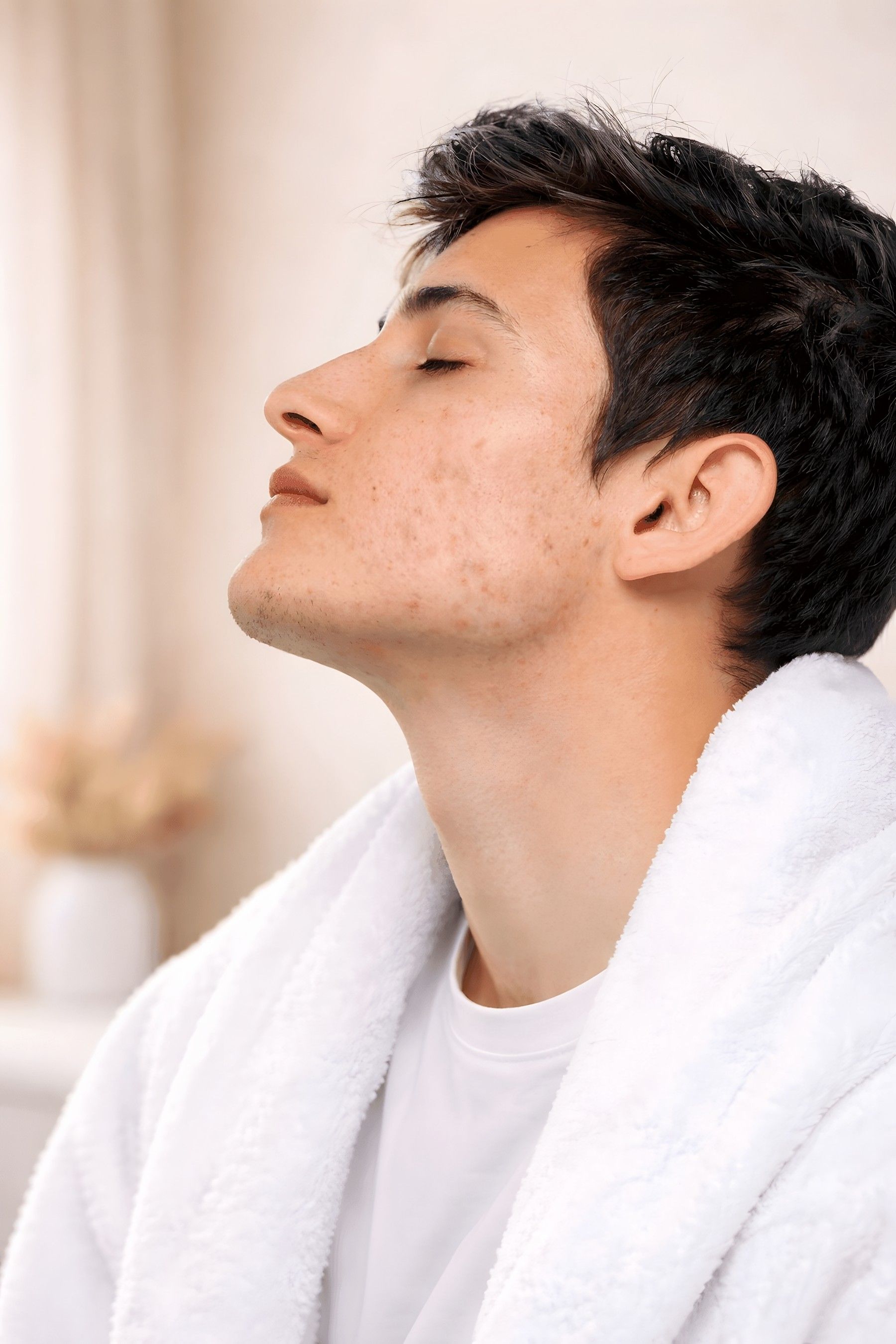
- Acne marks are flat. They’re areas of discolouration — brown or dark marks (post-inflammatory hyperpigmentation) or red/pink marks (post-inflammatory erythema). Run your finger over them and the skin feels smooth. Marks usually fade over time, and much faster with the right treatment. Our pigmentation guide covers these in detail.
- Acne scars are textural. They’re dips, pits or raised areas caused by damage to the deeper layers of the skin, where collagen was lost or overproduced during healing. Scars don’t fade on their own; they need treatments that remodel the skin.
Many people have both, which is why a combination approach is often most effective.
Why acne leaves scars
Acne is an inflammatory skin condition caused by excess oil production, clogged pores, bacteria, hormonal fluctuations, and lifestyle factors. When a breakout is deep or severely inflamed, it damages the surrounding tissue. As the skin heals, it may produce too little collagen (leaving a depression) or too much (leaving a raised scar).
Scarring is more likely with:
- Deep, painful cystic or nodular acne
- Acne that goes untreated for a long time
- Picking, squeezing or popping pimples
- A family tendency to scar
Without timely treatment, acne may lead to pigmentation and permanent scarring — which is why treating active acne early is the best prevention.
The main types of acne scars
Atrophic (depressed) scars
These are the most common type of acne scar and sit below the surrounding skin.
Ice pick scars — narrow, deep, pinpoint holes that look as if the skin has been punctured. They’re often the most difficult to treat because they extend deep into the skin.
Boxcar scars — wider, box-like depressions with sharp, defined edges. They’re often found on the cheeks and temples.
Rolling scars — broad depressions with soft, sloping edges that give the skin a wavy, uneven texture. They’re caused by bands of tissue pulling the surface down.
Hypertrophic and keloid scars
These are raised scars caused by excess collagen. They’re more common on the chest, back, shoulders and jawline. Keloids extend beyond the original wound and need specialised medical care.
Treatments for acne scars
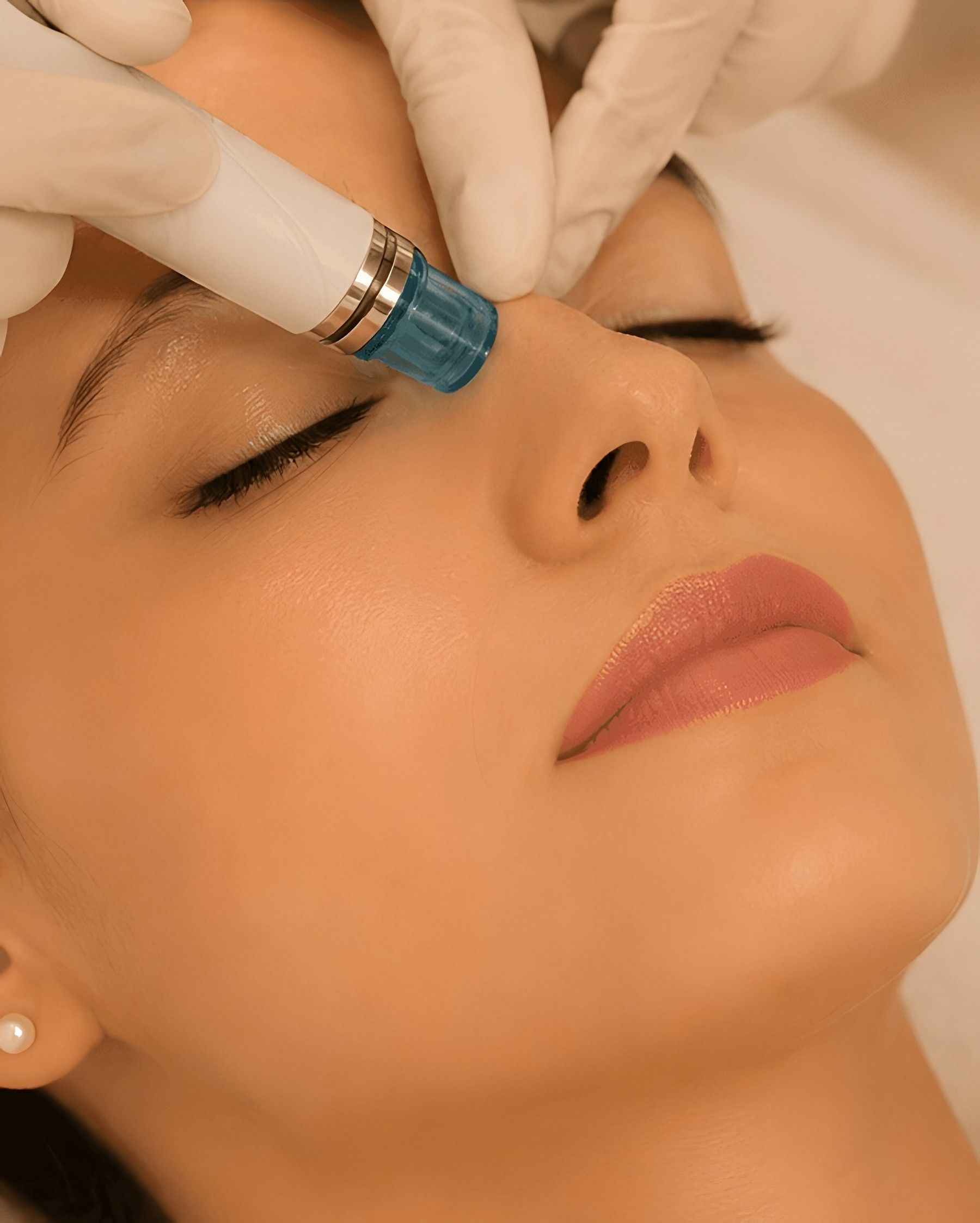
Scar treatments work by triggering the skin’s natural repair process, encouraging new collagen to fill in or smooth out scarred areas. Treatments such as microneedling, PRP therapy, chemical peels, and laser resurfacing are commonly used to improve acne scars.
Microneedling creates tiny, controlled micro-injuries in the skin, stimulating collagen and elastin production. It’s well suited to rolling and shallow boxcar scars and can be combined with other treatments.
PRP (platelet-rich plasma) uses growth factors from your own blood, often combined with microneedling, to support healing and collagen production.
Chemical peels remove the outer layers of damaged skin, improving texture and helping fade post-acne marks. Stronger peels and targeted techniques can help with certain scar types.
Laser resurfacing uses light energy to resurface the skin and stimulate deep collagen remodelling. Settings must be chosen carefully for Indian skin to avoid pigmentation.
Combination plans are often the most effective, because most people have more than one scar type — for example, treating rolling scars with one method and dark marks with another.
Which treatment is right for your scars?
| Scar or mark type | Often considered |
|---|---|
| Dark or brown post-acne marks | Peels, brightening treatments, sun protection |
| Red or pink post-acne marks | Calming care, time, light-based treatments |
| Rolling scars | Microneedling, PRP, laser |
| Shallow boxcar scars | Microneedling, laser, peels |
| Deep boxcar or ice pick scars | Targeted procedures, laser, combination plans |
| Raised or keloid scars | Specialist medical treatment |
This table is a starting point, not a prescription — your skin type, scar depth and history all affect what’s appropriate.
What to expect from treatment
Acne scar treatment is a gradual process. Collagen remodelling takes weeks to months, so results continue to improve after each session. Most people need a series of treatments. The goal is smoother, more even skin and scars that are far less noticeable — not perfection.
Caring for your skin during treatment
- Control active acne first. New breakouts create new scars.
- Wear sunscreen every day. Healing skin pigments easily, especially Indian skin.
- Don’t pick. It deepens scars and causes marks.
- Follow aftercare carefully — gentle cleansing, moisturising and avoiding strong actives until your clinician says otherwise.
Acne and acne scar care at The Asense
At The Asense, acne care starts with a detailed consultation to understand your skin, triggers and goals. For active breakouts, treatments include:
- Eclipse — a deep-cleansing treatment that purifies, refines and rebalances acne-prone and oily skin, helping control sebum and clear congestion.
- Acne Reset — a targeted treatment designed to calm active breakouts and restore clarity, helping reduce inflammation and control excess oil.
Once breakouts are under control, your clinician will advise on the best approach for any marks or scars that remain. Explore our full acne and acne scar treatments, or book a consultation at our West Punjabi Bagh clinic.
This article is for general education and is not a substitute for a personal consultation. Some scar treatments are not suitable during pregnancy, while using certain acne medicines, or for people who scar easily; your clinician will advise.
Frequently asked questions
Can acne scars be removed completely?
Most acne scars can be improved significantly, but complete removal is rarely realistic, especially for deep scars. A series of professional treatments can soften scar edges, improve texture and make scars much less noticeable.
Which treatment is best for acne scars?
Treatments such as microneedling, PRP therapy, chemical peels, and laser resurfacing are commonly used to improve acne scars. The best choice depends on the type and depth of your scars and your skin type, and many people benefit from a combination.
What is the difference between acne marks and acne scars?
Acne marks are flat areas of discolouration — brown, dark or red — left after a breakout heals. The skin surface is smooth. Acne scars are changes in texture, such as pits, dents or raised areas, caused by damage to the deeper layers of skin. Marks usually fade with time and treatment; scars need procedures that remodel the skin.
Should I treat active acne before acne scars?
Yes. Active breakouts cause new inflammation and new scarring, so getting acne under control comes first. Scar treatments work best — and are safest — once the skin is calm.
How many sessions are needed for acne scar treatment?
Most acne scar treatments are done as a series, often several sessions spaced a few weeks apart, because collagen remodelling happens gradually. Your clinician will recommend a plan based on the type and depth of your scars.