skin · · 5 min read
Non-Surgical Anti-Ageing Treatments: When to Start and What Works
Fine lines, laxity and loss of glow — what causes skin ageing, the habits that speed it up, and the non-surgical treatments that help skin look firmer and fresher.
Ageing is natural — and refreshing your skin doesn’t have to mean surgery, needles or looking “done”. Today’s non-surgical treatments can help skin look firmer, smoother and more radiant, with results that are subtle and natural. Here’s how skin ages, what speeds it up, and what actually helps.
Why skin ages
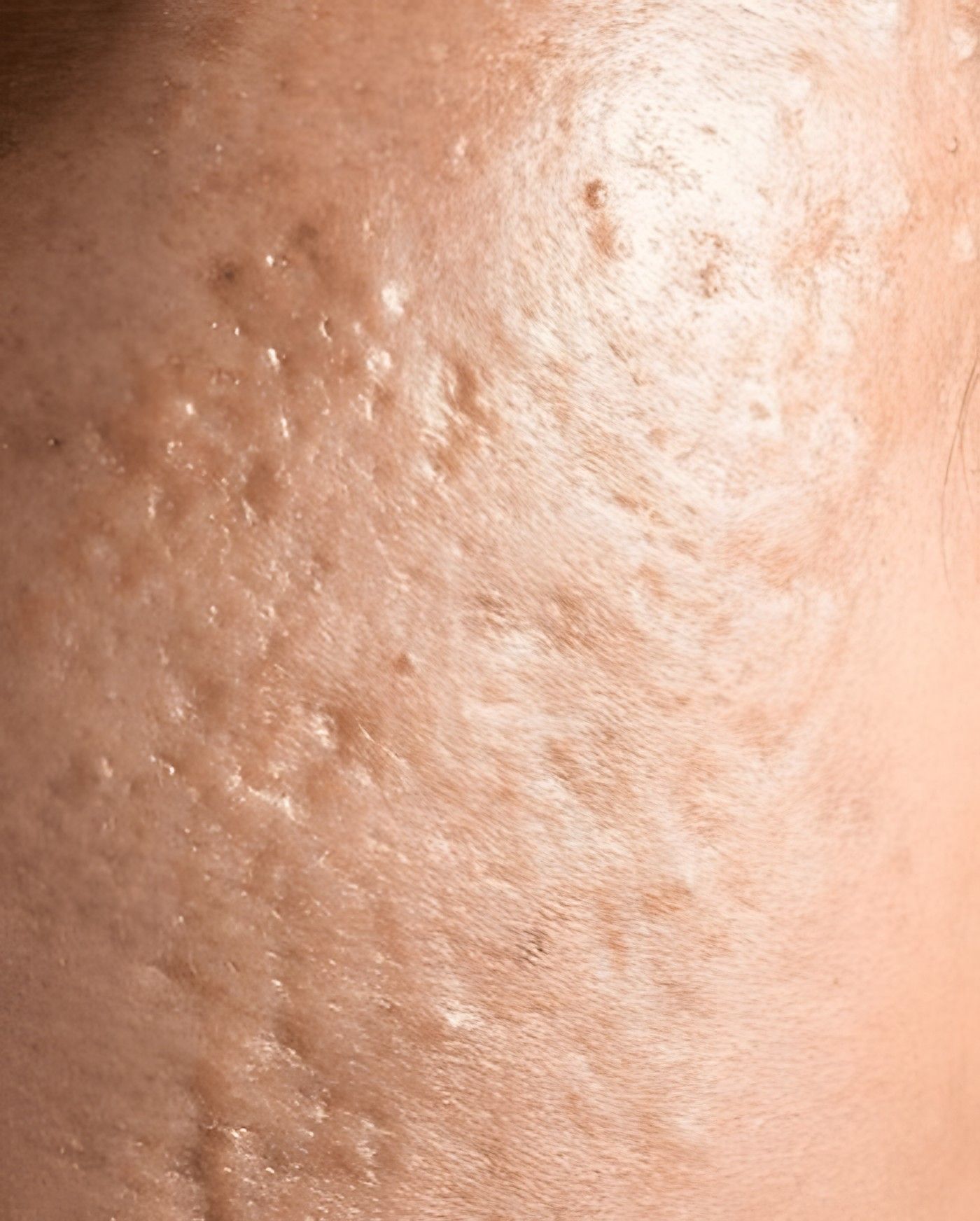
Natural ageing occurs due to collagen loss, reduced elasticity, sun exposure, lifestyle habits, stress, and environmental damage. This can lead to fine lines, wrinkles, sagging, and uneven skin texture.
From our mid-twenties, the body gradually produces less collagen — the protein that keeps skin firm — and elastin, which keeps it springy. Cell turnover slows, so skin looks less radiant. Fat and bone structure in the face also change over time, affecting contours and definition.
That’s intrinsic ageing, and it’s largely genetic. Extrinsic ageing — caused by our environment and habits — often has an even bigger visible impact, and it’s the part we can influence.
Habits that accelerate skin ageing
Excessive sun exposure, smoking, stress, dehydration, poor sleep, and lack of skincare protection can speed up collagen breakdown and visible signs of ageing. In Delhi, add pollution to that list — it generates free radicals that damage collagen. (Read more in our guide to pollution and your skin.)
Early signs of ageing to look out for
- Fine lines around the eyes, forehead and mouth
- Dullness and loss of radiance
- Uneven tone and pigmentation
- Rougher texture and more visible pores
- Loss of firmness and early laxity, especially along the jawline
- Under-eye tiredness
Prevention: the foundation of anti-ageing
The most effective anti-ageing routine is surprisingly simple:
- Broad-spectrum sunscreen, SPF 30 or higher, every day. This is the single most important anti-ageing step.
- A retinoid at night, introduced gradually, to support cell renewal and collagen.
- An antioxidant such as vitamin C in the morning.
- A good moisturiser to keep the skin barrier healthy.
- Healthy habits — sleep, hydration, not smoking, managing stress and a diet rich in fruit and vegetables.
Non-surgical anti-ageing treatments
When you want more than home care can deliver, non-surgical treatments can make a real difference.
Radiofrequency (RF) skin tightening delivers controlled heat into the deeper layers of the skin to stimulate collagen production and improve elasticity. It’s well suited to early laxity and loss of definition, with no downtime.
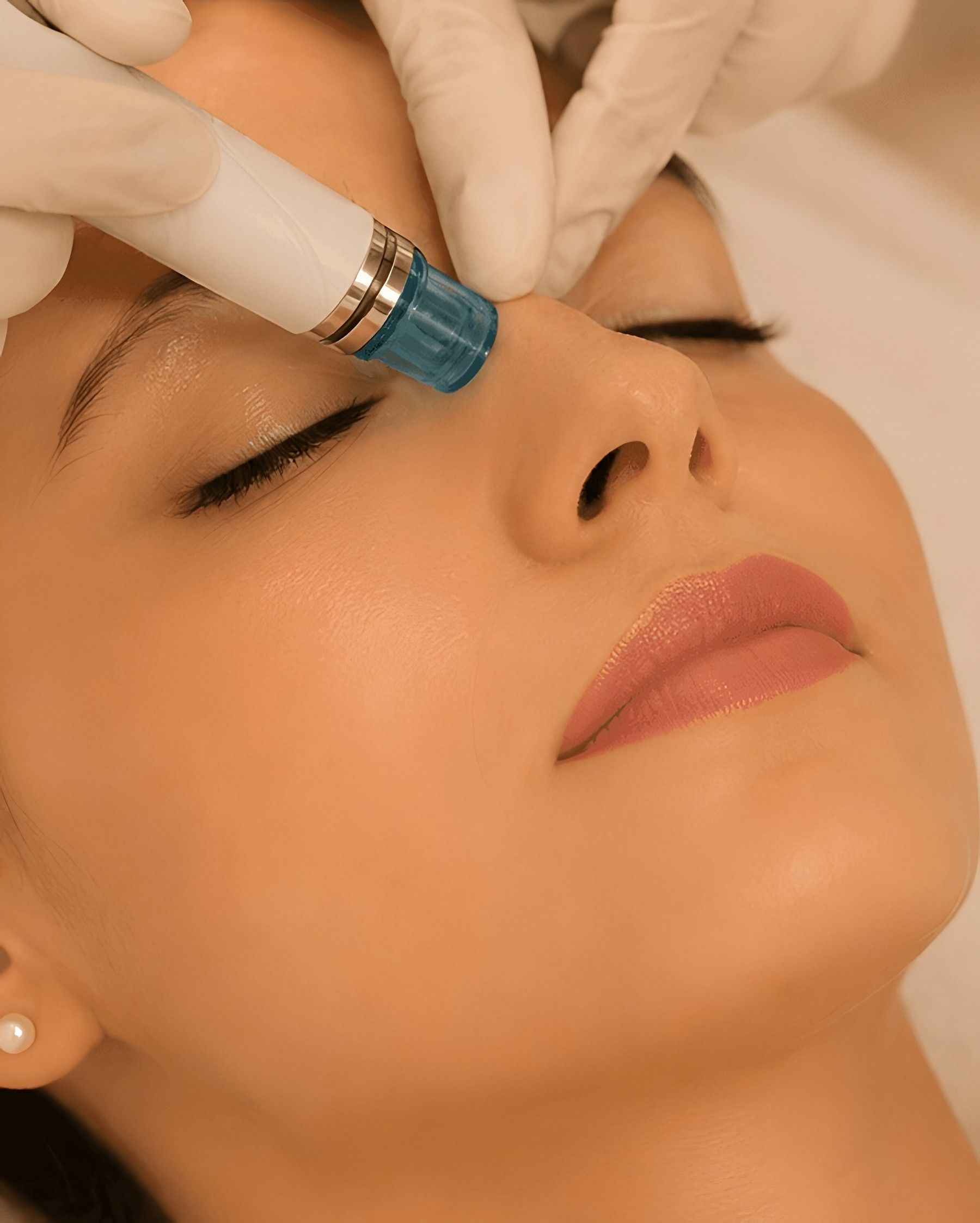
Medi-facials improve hydration, texture and radiance, and many support collagen activity. They’re an excellent maintenance treatment.
Laser and light-based treatments can improve tone, texture and pigmentation.
Other options, such as microneedling or injectables, may be discussed depending on your concerns and goals — always after a thorough consultation.
An anti-ageing approach by decade
In your 20s — prevention. Daily sunscreen, a good cleanser and moisturiser, an antioxidant, and healthy habits. This is when good habits pay off most. Medi-facials help with glow and congestion.
In your 30s — early correction. Collagen loss becomes noticeable as fine lines, dullness and early softening of contours. A retinoid becomes a valuable addition, and in-clinic treatments that support collagen and firmness are worth considering.
In your 40s and beyond — restore and maintain. Laxity, deeper lines and pigmentation become more visible. A combination of collagen-stimulating treatments, pigmentation care and consistent home care helps skin look firmer and fresher, with periodic maintenance.
These are generalisations — genetics, sun exposure and lifestyle mean two people of the same age can have very different skin.
Anti-ageing myths
- “Expensive creams can replace treatments.” Good skincare matters, but no cream can tighten skin the way collagen-stimulating treatments can.
- “You only need sunscreen in summer.” UV causes ageing all year round, even on cloudy, smoggy days.
- “Anti-ageing treatments always look obvious.” Conservative, well-planned treatments should simply make you look rested and refreshed.
- “It’s too late to start.” It’s never too late to improve skin health and quality.
Questions to ask at your consultation
- What’s causing the changes I’m seeing in my skin?
- Which treatment do you recommend, and why?
- How many sessions will I need, and how far apart?
- What results can I realistically expect, and how long will they last?
- Is there any downtime, and what aftercare is needed?
- How should I adjust my home routine to support the results?
Anti-ageing treatments at The Asense
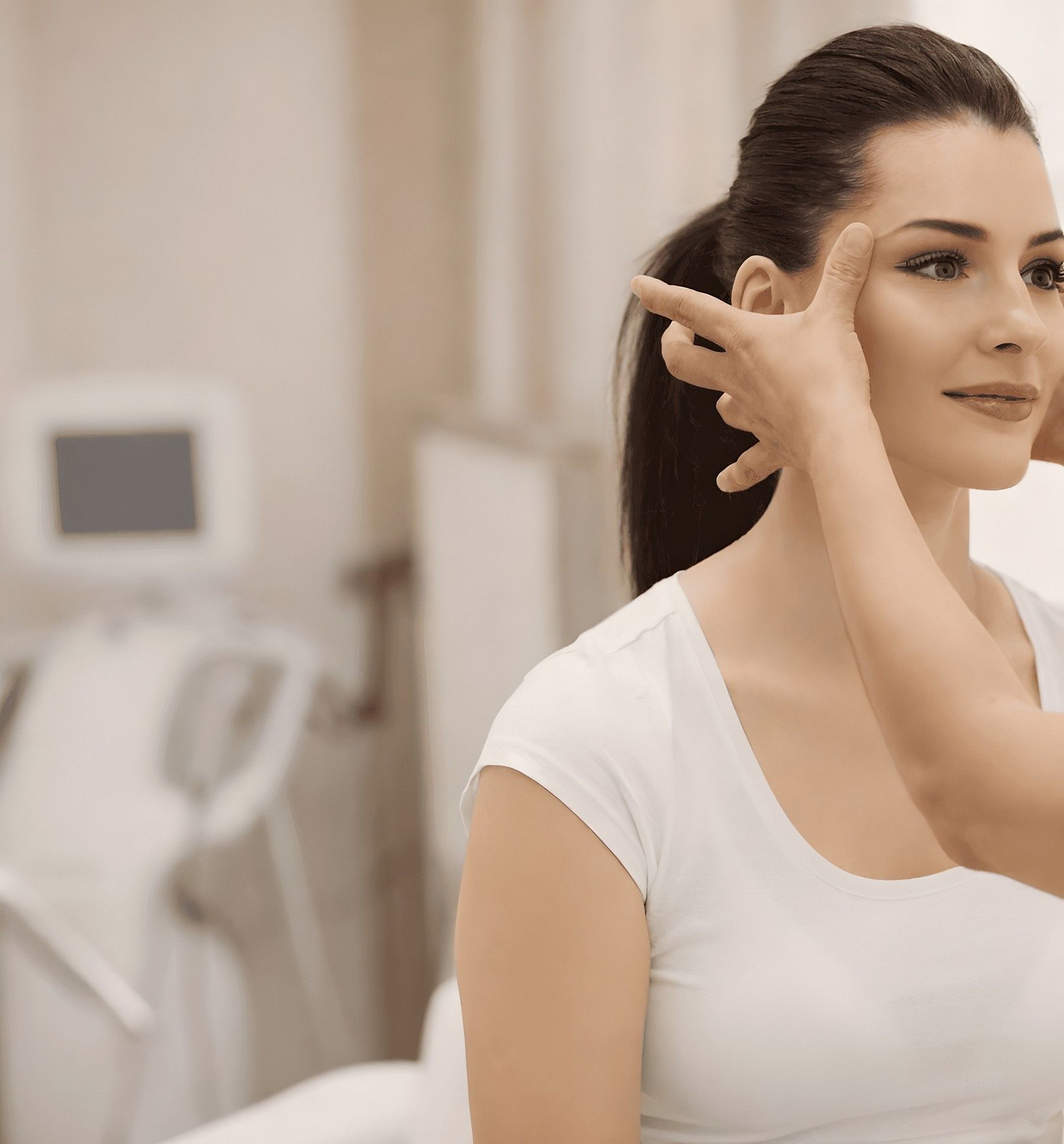
At The Asense, our philosophy is enhancing, never overpowering. Treatments are performed conservatively to deliver subtle, balanced, natural-looking results. Every plan begins with a detailed consultation.
- Firmix — an advanced radiofrequency-based treatment designed to visibly firm, lift and rejuvenate the skin by stimulating collagen production and improving elasticity. Ideal for early signs of ageing, laxity and loss of definition, with no downtime.
- Age Rewind — a non-invasive anti-ageing treatment designed to lift, firm and redefine your natural contours without surgery.
- RE-GEN — an advanced medi-facial that revitalises tired, dull or ageing skin and enhances elasticity for a smoother, more radiant appearance.
When to start
There’s no “right” age — it depends on your skin, genetics and lifestyle. Prevention is worth starting in your twenties. Many people consider in-clinic treatments from their late twenties or thirties, when they first notice fine lines, dullness or a softening jawline. Starting early generally means you need less intervention later.
Realistic expectations
Non-surgical treatments work with your skin’s natural processes, so results build gradually over weeks and continue to improve as collagen remodels. They won’t replicate surgery — but they can help you look fresher, firmer and more rested, and they’re usually maintained with periodic sessions.
Book a consultation at The Asense in West Punjabi Bagh to discuss what’s right for your skin.
This article is for general education and is not a substitute for a personal consultation.
Frequently asked questions
At what age should I start anti-ageing treatments?
There's no single right age. Prevention — daily sunscreen, a good routine and healthy habits — is worth starting in your twenties. Many people consider in-clinic treatments from their late twenties or thirties when they first notice fine lines, dullness or loss of firmness. A consultation helps decide what's appropriate for your skin.
What is the best non-surgical treatment for sagging skin?
Radiofrequency-based treatments are commonly used to firm and tighten skin, as they deliver controlled heat into the deeper layers to stimulate collagen. The right option depends on the degree of laxity and your goals, so an assessment comes first.
Do non-surgical anti-ageing treatments have downtime?
Many non-surgical treatments, including radiofrequency skin tightening and medi-facials, have little or no downtime, so you can return to your normal routine straight away. Your clinician will explain what to expect for your specific treatment.
Will anti-ageing treatments make me look different?
Good non-surgical treatments should make you look refreshed and well-rested, not different. At The Asense, treatments are performed conservatively to deliver subtle, balanced and natural-looking results.
Does sunscreen really prevent ageing?
Yes. Sun exposure is one of the main causes of visible skin ageing, including fine lines, wrinkles, pigmentation and loss of firmness. Wearing broad-spectrum sunscreen every day is one of the most effective anti-ageing habits there is.