wellness · · 6 min read
How Delhi's Pollution Affects Your Skin — and a Smog-Season Skincare Routine
What smog and particulate matter do to your skin, the signs of pollution damage, and a simple routine to protect your skin through Delhi's winter smog.

Every winter, Delhi’s air quality makes headlines. We know smog affects our lungs — but our skin, the body’s largest organ and its first line of defence, is exposed to it all day long. If your skin feels duller, more congested or more sensitive between October and February, pollution is very likely part of the reason.
What pollution does to your skin
Urban air contains a mix of fine particulate matter (PM2.5 and PM10), smoke, vehicle exhaust and gases. When these come into contact with your skin, several things happen:
- Oxidative stress. Pollutants generate free radicals — unstable molecules that damage skin cells, collagen and lipids.
- A weakened skin barrier. The barrier that keeps moisture in and irritants out becomes compromised, so skin loses water more easily and becomes reactive.
- Inflammation. Pollutants can trigger low-grade inflammation, which shows up as redness, sensitivity and breakouts.
- Clogged pores. Particles mix with sebum, sweat and sunscreen on the skin’s surface, contributing to congestion.
- Pigmentation. Pollution combined with UV exposure is linked to dark spots and uneven tone.
Signs your skin is affected by pollution
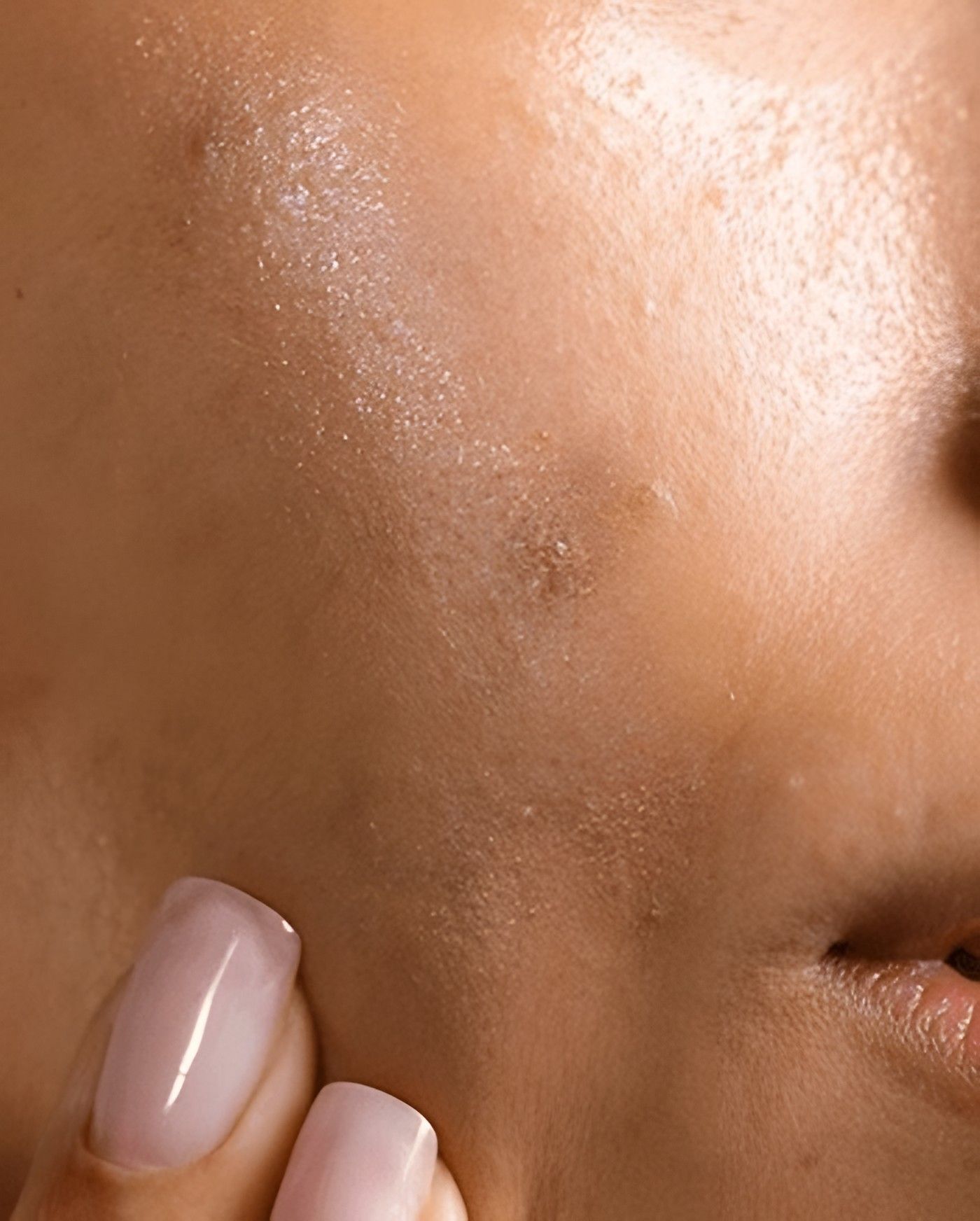
- A dull, greyish or “dirty” look that cleansing doesn’t fully shift
- More blackheads, whiteheads and breakouts
- Dryness, tightness or flaking alongside oiliness
- Increased sensitivity, redness or stinging when you apply products
- Uneven tone or new pigmentation
- Fine lines that look more pronounced
Why winter is hardest on Delhi skin
Winter brings a double challenge. Pollution levels typically peak in the colder months, while the air itself becomes drier. Dry air weakens the skin barrier at exactly the time it needs to work hardest — and indoor heaters make it worse. The result is skin that is simultaneously dehydrated, congested and sensitive.
A smog-season skincare routine
You don’t need special “anti-pollution” products for everything. You need a routine that removes pollutants, neutralises the damage and strengthens your skin’s defences.
Morning
- Gentle cleanse. A mild, non-stripping cleanser (or just water if your skin is dry).
- Antioxidant serum. Vitamin C is the classic choice; niacinamide and vitamin E also help neutralise free radicals and support the barrier.
- Barrier-supporting moisturiser. Look for ceramides, glycerin, hyaluronic acid or squalane.
- Broad-spectrum sunscreen, SPF 30 or higher. Hazy skies don’t block UV — and UV and pollution work together to damage skin.
Evening
- Double cleanse. Start with an oil or balm cleanser to dissolve sunscreen, sebum and pollutants, then follow with a gentle water-based cleanser.
- Hydrating serum on damp skin.
- A targeted active two to three nights a week — a gentle exfoliating acid to clear congestion, or a retinoid for renewal (not both on the same night).
- A richer moisturiser to repair the barrier overnight.
Once or twice a week
A gentle exfoliant or clay mask to decongest pores — but don’t overdo it. Over-exfoliating pollution-stressed skin makes sensitivity worse.
Adjusting the routine for your skin type
Oily and acne-prone skin: pollution mixes with sebum and clogs pores. Use a gel or foaming cleanser in the evening, a lightweight, non-comedogenic moisturiser, niacinamide to help regulate oil, and a salicylic acid product two to three times a week. Don’t skip moisturiser — dehydrated skin can produce more oil.
Dry skin: the barrier is already vulnerable. Use a cream or balm cleanser, layer a hydrating serum under a richer moisturiser with ceramides, and keep exfoliation to once a week at most.
Sensitive skin: keep the routine short and fragrance-free. Introduce actives one at a time, choose gentle antioxidants such as niacinamide, and avoid hot water and harsh scrubs.
Combination skin: treat zones differently — a lighter moisturiser on the T-zone, more hydration on the cheeks, and targeted exfoliation where congestion builds.
Ingredients that help — and what to avoid
| Helps | Why |
|---|---|
| Vitamin C | Antioxidant; helps neutralise free radicals and brightens tone |
| Niacinamide | Supports the barrier, calms redness, helps regulate oil |
| Ceramides | Repair and strengthen the skin barrier |
| Hyaluronic acid and glycerin | Draw water into the skin to counter dehydration |
| Vitamin E and green tea | Additional antioxidant support |
| Broad-spectrum sunscreen | Protects against UV, which worsens pollution damage |
Go easy on: harsh foaming cleansers that strip the skin, physical scrubs with rough particles, very hot showers, layering several strong actives at once, and heavily fragranced products on irritated skin.
Pollution and premature ageing
Free radicals generated by pollution break down collagen and elastin — the proteins that keep skin firm and springy. Combined with UV exposure, this can contribute to fine lines, loss of firmness and pigmentation appearing earlier than they otherwise would. That’s why antioxidants and sunscreen are as much anti-ageing steps as they are protective ones. Read more in our guide to non-surgical anti-ageing treatments.
Lifestyle tips for high-pollution days
- Limit outdoor exercise on very poor air quality days, and wash your face afterwards.
- Cover up — a scarf, sunglasses and a cap reduce direct exposure.
- Use an air purifier at home, especially in the bedroom.
- Stay hydrated and eat antioxidant-rich foods like fruits and leafy greens.
- Change pillowcases often, and clean your phone screen regularly.
- Don’t forget your scalp. Pollution affects hair too — see our guide to hair fall in Delhi.
The Urban Reset: professional care for city skin
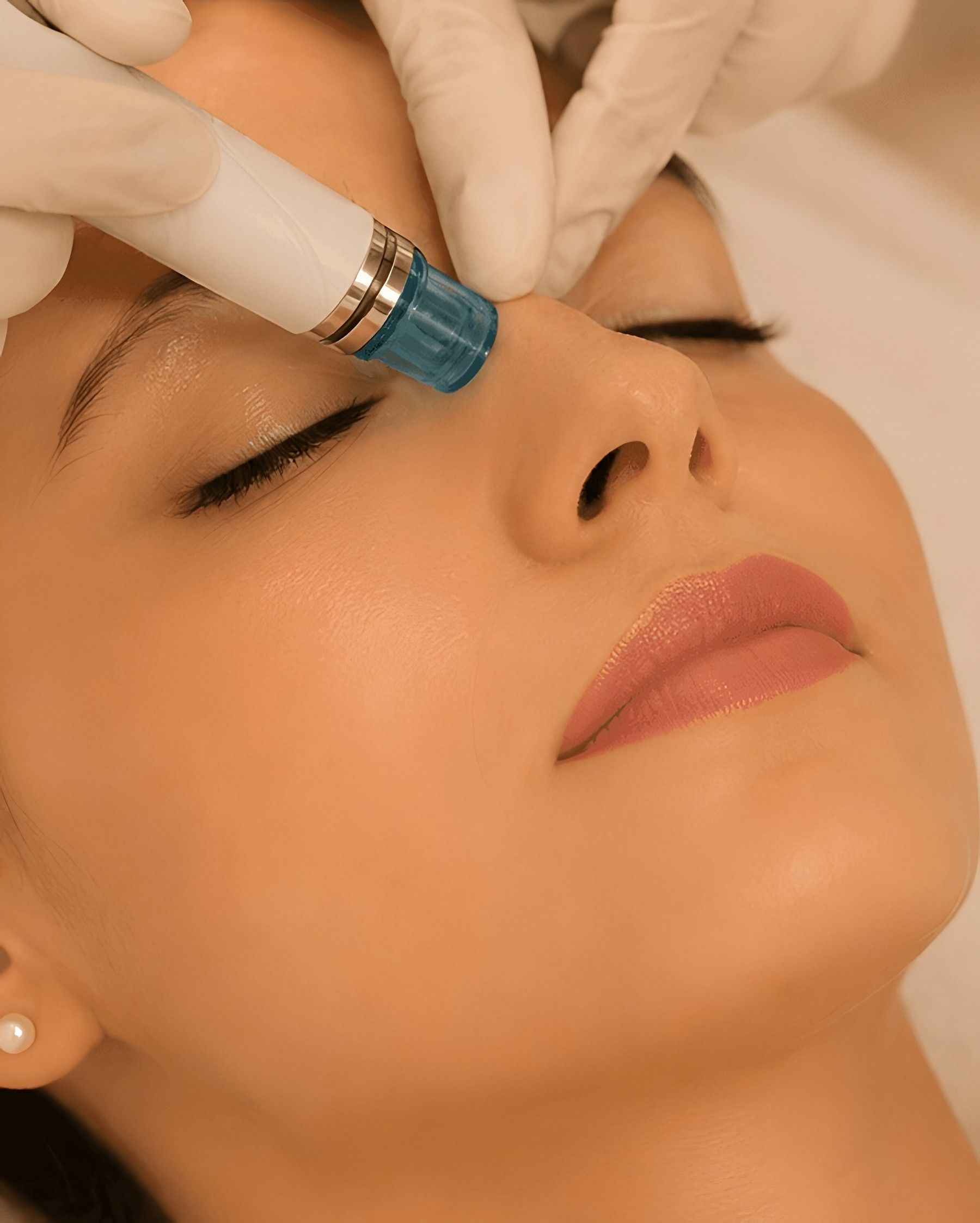
At-home care protects your skin day to day, but pollution-stressed skin often benefits from a professional reset — especially after weeks of smog. At The Asense, we call this the Urban Reset: bridging the gap between clinical correction and holistic wellness to shield the skin from urban stressors such as pollution and lifestyle fatigue, recalibrate skin function, resilience and balance, and support radiance through structured medical intervention.
Treatments often chosen for city-stressed skin include:
- Aqua Touch — deep cleansing, exfoliation and intense hydration for dull, dehydrated or congested skin.
- Eclipse — a deep-cleansing treatment that purifies and rebalances oily, acne-prone skin.
- Oxy-Revive — gentle exfoliation to revive tired, lacklustre skin.
- RE-GEN — a medi-facial that restores balance and vitality to tired skin.
Every treatment is selected after a detailed skin consultation. Book your Urban Reset at our West Punjabi Bagh clinic. If your main concern is dullness, our guide to why skin isn’t glowing is a good next read.
This article is for general education and is not a substitute for a personal consultation.
Frequently asked questions
Can air pollution damage your skin?
Yes. Fine particulate matter, smoke and gases can settle on the skin, generate free radicals and weaken the skin barrier. Over time this can contribute to dullness, congestion, sensitivity, uneven tone and pigmentation, and it may accelerate visible signs of ageing.
How do I protect my skin from pollution in Delhi?
Cleanse thoroughly every evening to remove pollutants, use an antioxidant serum such as vitamin C in the morning, keep your skin barrier strong with a good moisturiser, and wear broad-spectrum sunscreen every day. Periodic professional deep-cleansing and hydrating treatments can also help reset congested, dull skin.
Is double cleansing necessary in Delhi?
For many people in Delhi it is helpful, especially in the evenings if you wear sunscreen or makeup or have been outdoors. An oil-based or balm cleanser followed by a gentle water-based cleanser removes pollutants, sunscreen and sebum more effectively without stripping the skin.
Why does my skin break out more in winter in Delhi?
Winter brings both dry air and higher pollution levels in Delhi. Pollutants mixing with sebum can clog pores, while dry air can weaken the skin barrier and trigger more oil production, leading to breakouts and congestion. Gentle cleansing and good hydration help.
Does pollution affect hair too?
Yes. Pollutants settle on the scalp and hair, mixing with oil and sweat, which can lead to an oily, itchy or flaky scalp and dull, brittle hair. Regular washing and scalp care help manage these effects.