skin · · 6 min read
Pigmentation vs Melasma: Causes, Types & Treatment Options in Delhi
Sun spots, melasma, tanning or post-acne marks? Learn how to tell pigmentation types apart, what causes them, and which treatments actually help.
Dark patches, uneven tone, marks that linger long after a pimple has healed — pigmentation is one of the most common skin concerns in India, and one of the most misunderstood. A big reason is that “pigmentation” isn’t one condition. Sun spots, tanning, melasma and post-acne marks look similar in the mirror, but they have different causes and respond to different treatments.
Treating the wrong type in the wrong way can make things worse. This guide will help you understand what you are dealing with and what your options are.
What causes pigmentation?
Pigmentation occurs when excess melanin production causes dark patches or uneven skin tone. Melanin is the pigment that gives skin its colour; it’s produced by cells called melanocytes, partly as a defence against UV light. When those cells are overstimulated — by sun, hormones, inflammation or injury — they produce more pigment in certain areas, creating darker patches.
Indian skin, which naturally contains more melanin, is particularly prone to pigmentation. It’s also more likely to darken after any kind of inflammation, which is why breakouts, rashes, harsh treatments or even aggressive scrubbing can leave marks behind.
Common types of pigmentation
Sun spots and tanning
What they look like: an overall darkening on sun-exposed areas (face, neck, arms, hands), or small, well-defined brown spots.
Cause: cumulative UV exposure. Tanning is the skin’s immediate response; sun spots build up over years.
Outlook: usually responds well to treatment and strict sun protection.
Melasma and hormonal pigmentation
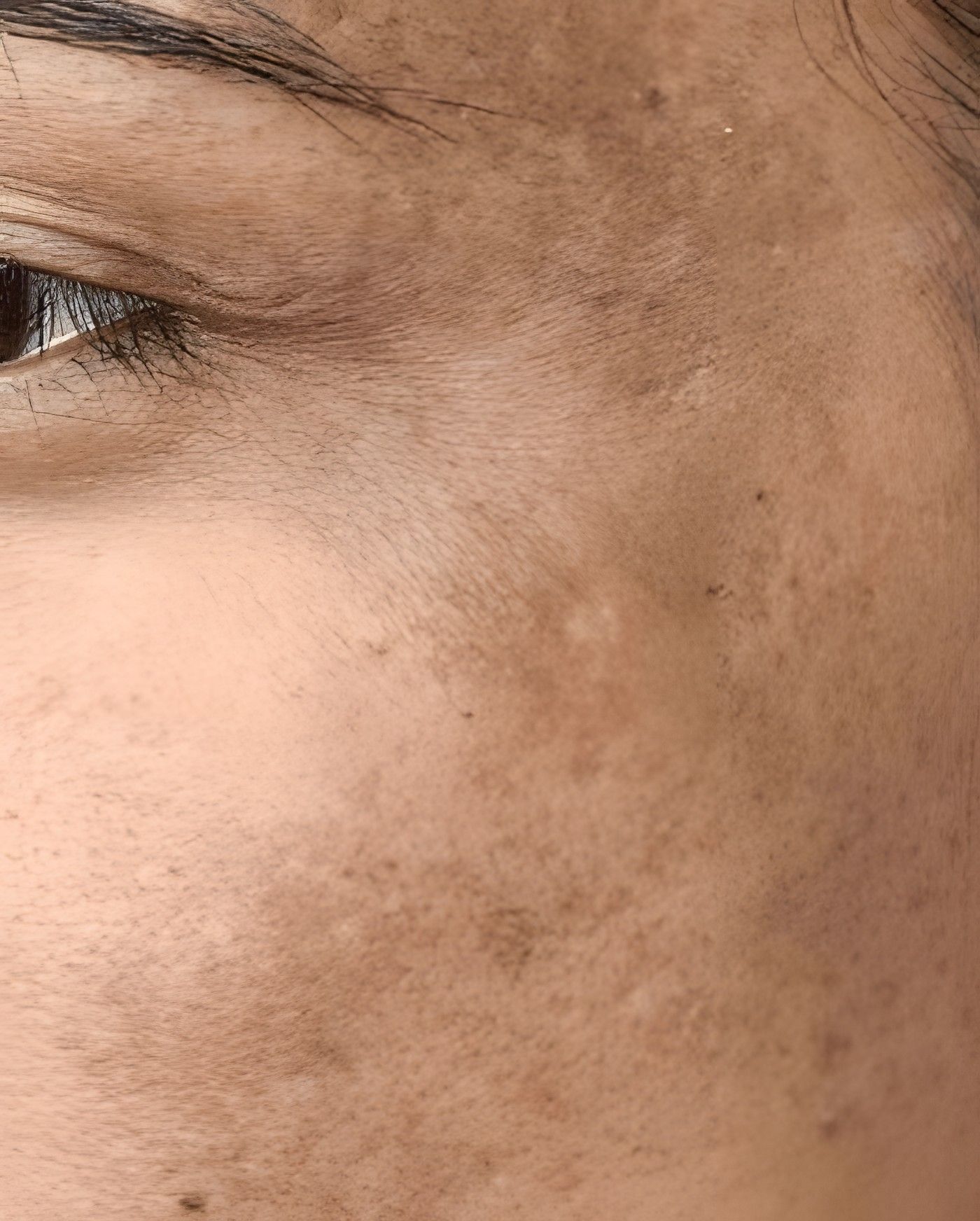
What it looks like: symmetrical brown or grey-brown patches, typically on the cheeks, forehead, bridge of the nose and upper lip.
Cause: a combination of hormones (it’s more common during pregnancy, with hormonal contraception and in women generally), UV and visible light, heat and genetics.
Outlook: melasma can be improved and controlled, but it is considered chronic. It often flares with sun exposure, heat or hormonal changes, so long-term management matters more than a single “cure”.
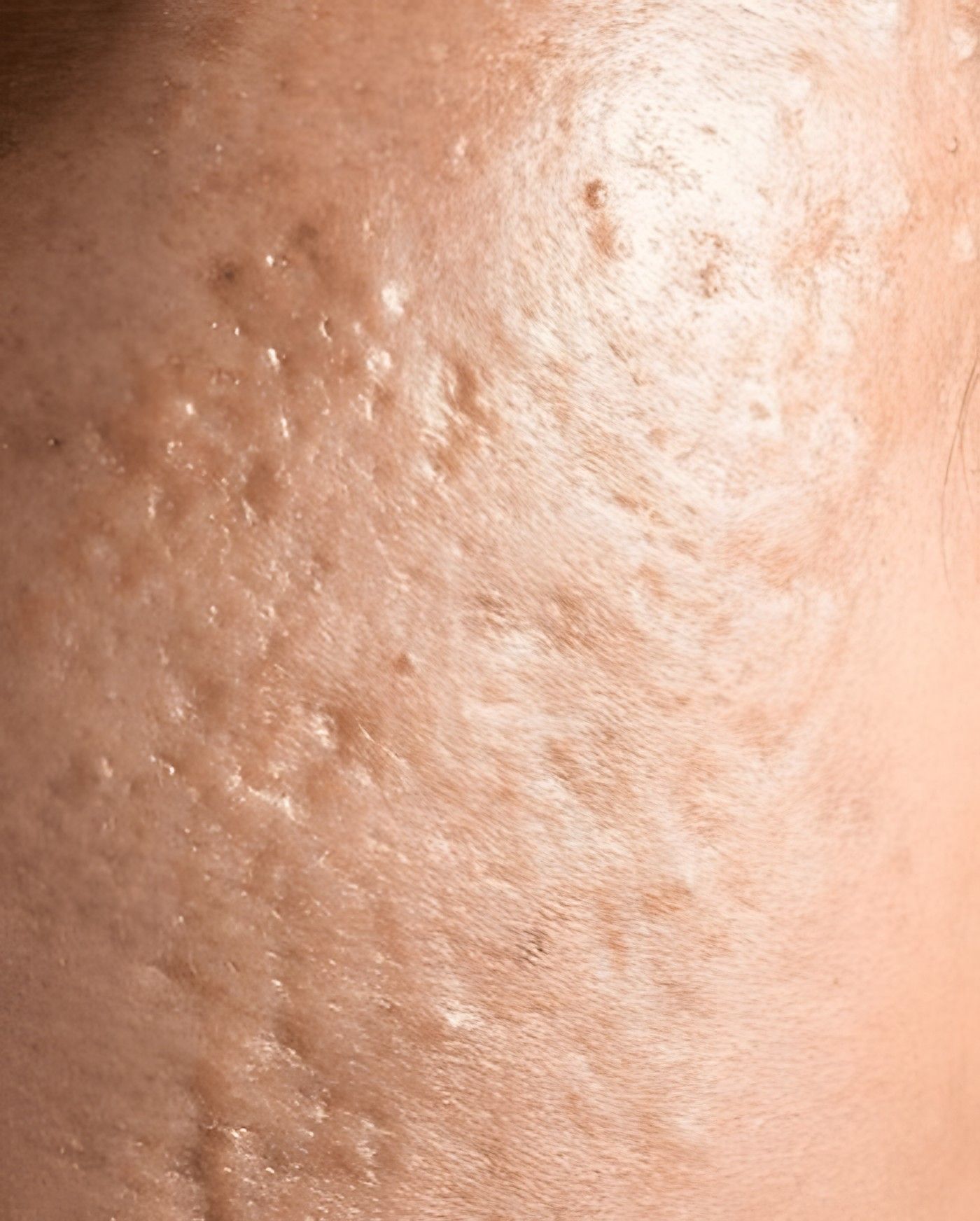
Post-acne marks (post-inflammatory hyperpigmentation)
What they look like: flat brown or dark marks left where pimples used to be. They’re not scars — the skin surface is smooth.
Cause: inflammation from acne triggers excess melanin. Picking or squeezing makes it worse.
Outlook: fades over time, and much faster with treatment, provided active acne is controlled. If you’re also dealing with textural scarring, read our guide to acne scar types and treatments.
Uneven skin tone
A general patchiness — darker around the mouth, eyes, forehead or jawline — often caused by a mix of sun, friction, dehydration and inflammation.
Age-related discoloration
Spots and uneven tone that accumulate over years of sun exposure, becoming more visible as skin renewal slows with age.
Body pigmentation
Darkening of the underarms, elbows, knees, neck and inner thighs is very common, usually linked to friction, shaving or waxing, sweat and sometimes hormonal or metabolic factors.
Factors that can worsen pigmentation
UV exposure, untreated inflammation, hormonal fluctuations, picking at the skin, and lack of sun protection can deepen pigmentation and make it more persistent over time. In Delhi, add heat, pollution and harsh summer sun to the list. Other common culprits:
- Unsupervised use of strong creams — particularly steroid-containing “fairness” creams, which can damage skin and cause rebound pigmentation
- Harsh DIY remedies such as lemon juice or undiluted essential oils, which irritate the skin
- Aggressive scrubbing and over-exfoliation
- Heat from cooking, saunas or hot yoga, which can aggravate melasma
How pigmentation is treated
Effective treatment usually combines three things: stopping new pigment from forming, fading the pigment that’s already there, and protecting the skin so it doesn’t come back.
1. Daily sun protection (non-negotiable)
No treatment will hold its results without it. Use a broad-spectrum SPF 30 or higher every day, apply generously, and reapply when you’re outdoors. Tinted sunscreens containing iron oxides also help protect against visible light, which is especially relevant for melasma.
2. Topical care
Ingredients that help with pigmentation include vitamin C, niacinamide, azelaic acid, kojic acid, tranexamic acid, alpha arbutin and retinoids. Some prescription treatments are more powerful but must be used under supervision.
3. In-clinic treatments
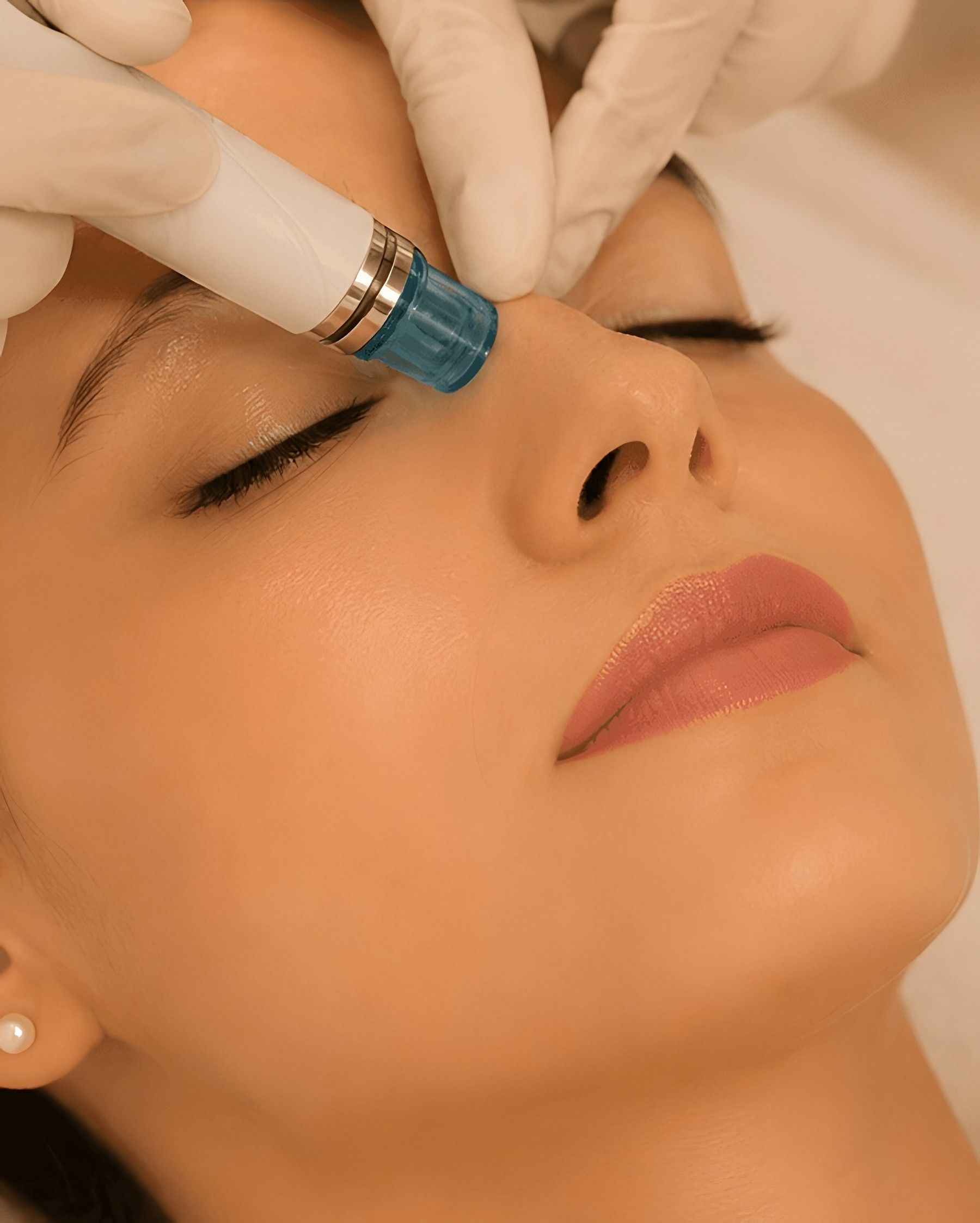
Professional treatments can target pigmentation more effectively than home care alone. These include chemical peels, targeted medi-facials, and laser or light-based treatments. The right option depends on the type and depth of pigmentation and your skin type — which is why a professional assessment comes first.
Pigmentation treatments at The Asense
At The Asense, pigmentation care is always planned around a detailed consultation. Treatments include:
- Luminex — a targeted treatment designed to visibly improve pigmentation and restore a clearer, more even tone across both face and body, including areas prone to darkening such as the underarms and elbows.
- Glow Getter — a laser-based medi-facial that revives dull skin, enhances clarity and smooths texture for a luminous finish.
- Eclipse — a deep-cleansing treatment for acne-prone and oily skin that helps clear congestion and restore clarity, useful where marks and breakouts go hand in hand.
Luminex is also used for body pigmentation — underarms, elbows and other areas prone to darkening.
What results to expect
Pigmentation fades gradually. Superficial concerns like tanning often respond within a few weeks; deeper pigmentation and melasma usually need a series of treatments over several months, plus consistent home care. The goal is a clearer, more even tone — not an unnaturally light complexion — and keeping it with sun protection and maintenance.
When to see a professional
See a professional if pigmentation is spreading or darkening, if home care hasn’t helped after a couple of months, if you suspect melasma, or if a spot changes in shape, colour or size (which should always be checked medically).
The Asense is in West Punjabi Bagh, close to Rajouri Garden, Paschim Vihar and Shalimar Bagh. Book a consultation and we’ll identify your type of pigmentation and build a plan around it.
This article is for general education and is not a substitute for a personal consultation. Some pigmentation treatments are not suitable during pregnancy; always tell your clinician if you are pregnant or breastfeeding.
Frequently asked questions
What is the difference between pigmentation and melasma?
Pigmentation is the umbrella term for any darkening of the skin caused by excess melanin, including sun spots, tanning and post-acne marks. Melasma is one specific type — usually symmetrical brown or grey-brown patches on the cheeks, forehead, upper lip or nose, linked to hormones, sun and heat exposure. Melasma tends to be more stubborn and more likely to return.
Can pigmentation be removed permanently?
Many types of pigmentation, such as tanning and post-acne marks, can fade significantly with the right treatment and sun protection. Melasma can be controlled and improved but is considered a chronic condition, so it may return with sun exposure, heat or hormonal changes. Ongoing sun protection and maintenance care are key to keeping results.
What is the best treatment for pigmentation on the face?
The best treatment depends on the type and depth of pigmentation and your skin type. Options include topical depigmenting agents, chemical peels, medi-facials and laser or light-based treatments. A professional assessment is important because some treatments can worsen certain types of pigmentation if used incorrectly.
Does sunscreen really help with pigmentation?
Yes — it is the single most important step. UV and visible light stimulate melanin production, so without daily broad-spectrum sunscreen, pigmentation tends to darken again even after successful treatment.
How long does pigmentation treatment take to show results?
Most people see gradual improvement over several weeks to a few months. Superficial pigmentation such as tanning fades faster than deeper pigmentation or melasma, which usually needs a series of treatments and consistent home care.