skin · · 6 min read
Microneedling: Benefits for Acne Scars, Pores & Texture — and What to Expect
How microneedling works, what it helps with, how many sessions you need, downtime, aftercare and why DIY derma rollers are a bad idea.
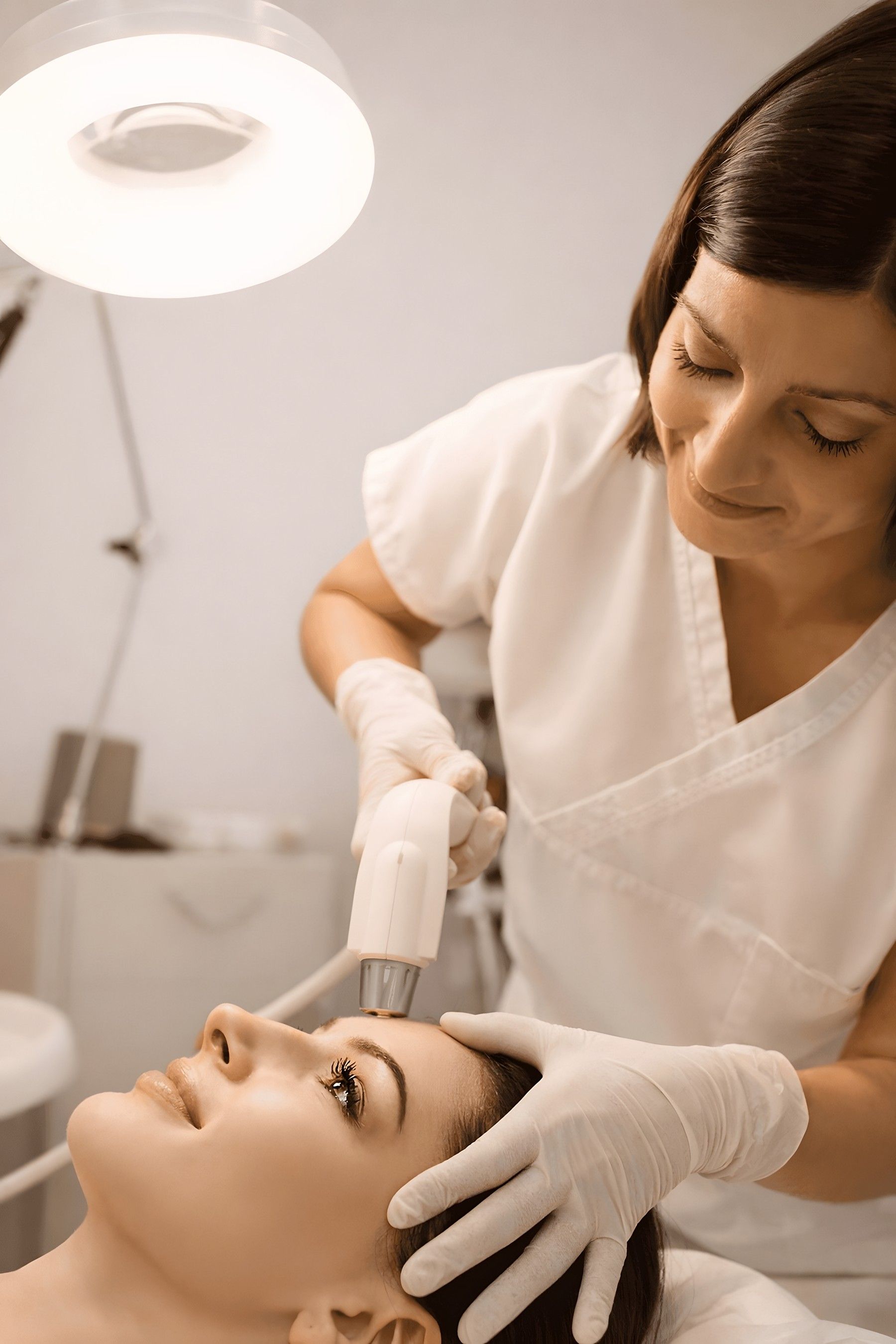
Microneedling has become one of the most popular treatments for acne scars and textured skin — and for good reason. It works with your skin’s natural healing process, has relatively short downtime and is generally well suited to Indian skin.
How microneedling works
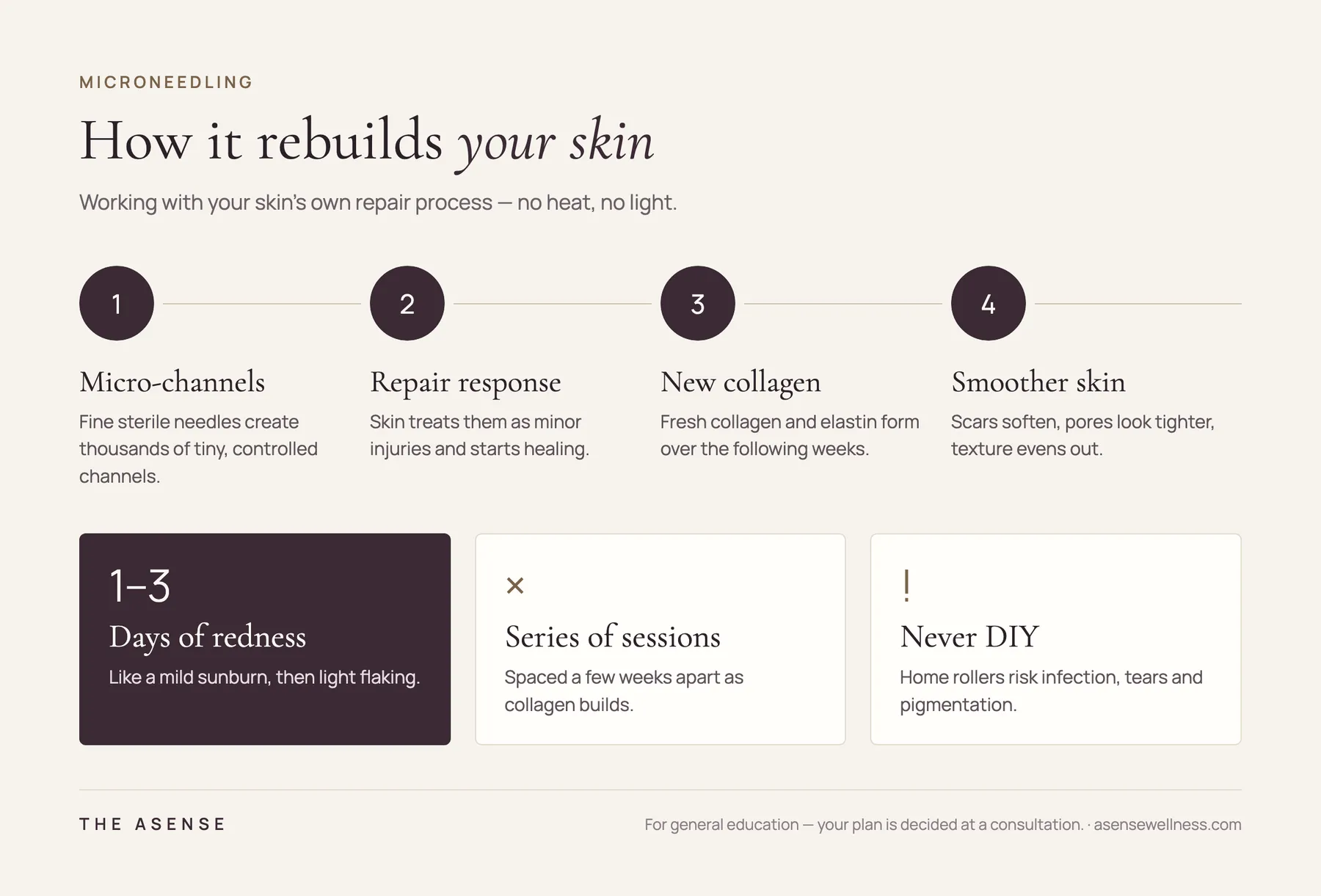
A professional device with very fine, sterile needles creates thousands of tiny, controlled micro-channels in the skin. Your skin treats these as minor injuries and launches its repair response — producing fresh collagen and elastin, the proteins that keep skin smooth, firm and resilient.
Over the following weeks, this new collagen helps to fill in depressed scars, tighten the look of pores and smooth uneven texture.
What microneedling can help with
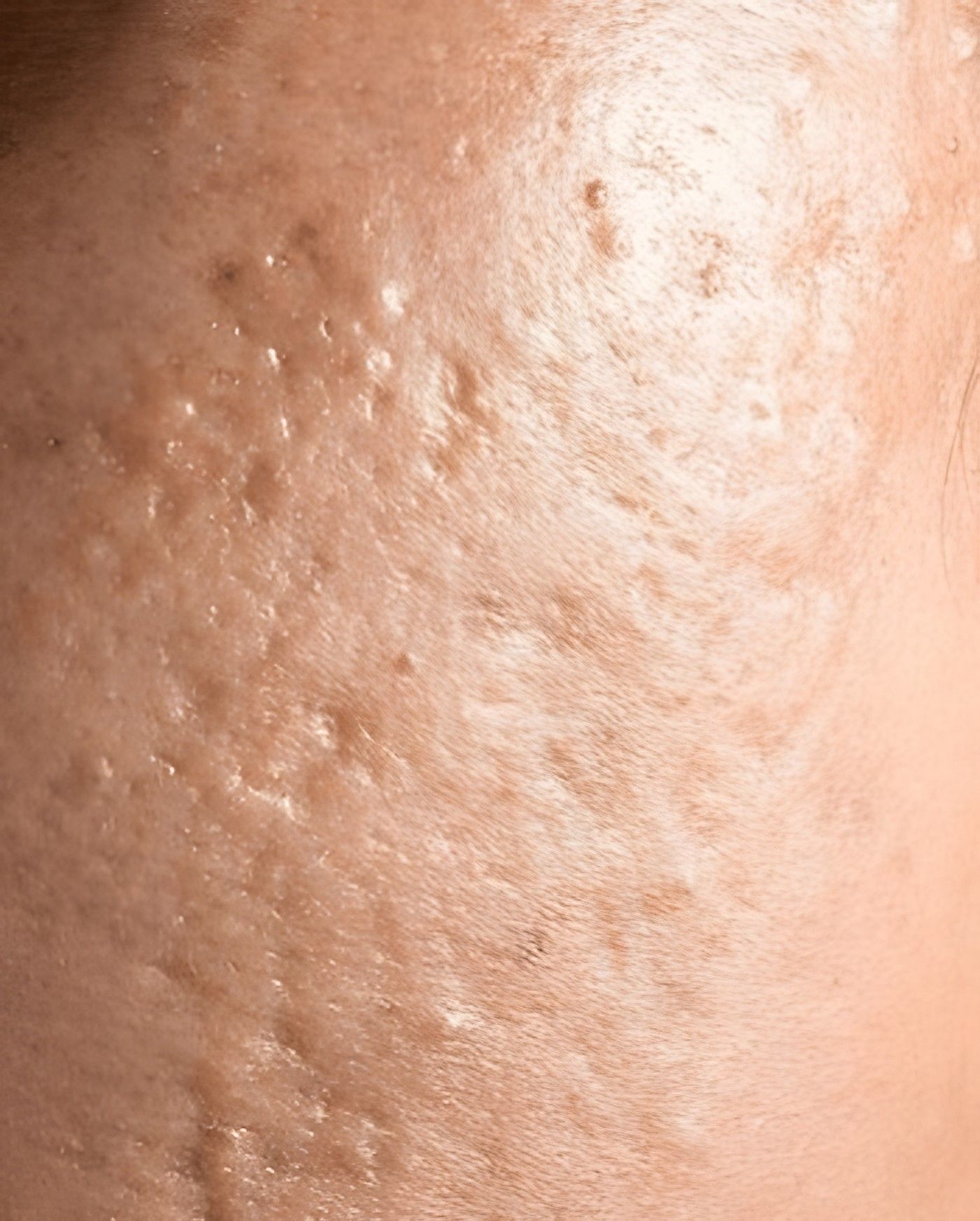
- Acne scars — especially rolling and shallow boxcar scars
- Enlarged-looking pores
- Uneven, rough texture
- Dullness
- Early fine lines
For a breakdown of scar types and which treatments suit each, see our guide to acne scar types and treatments.
What to expect during a session
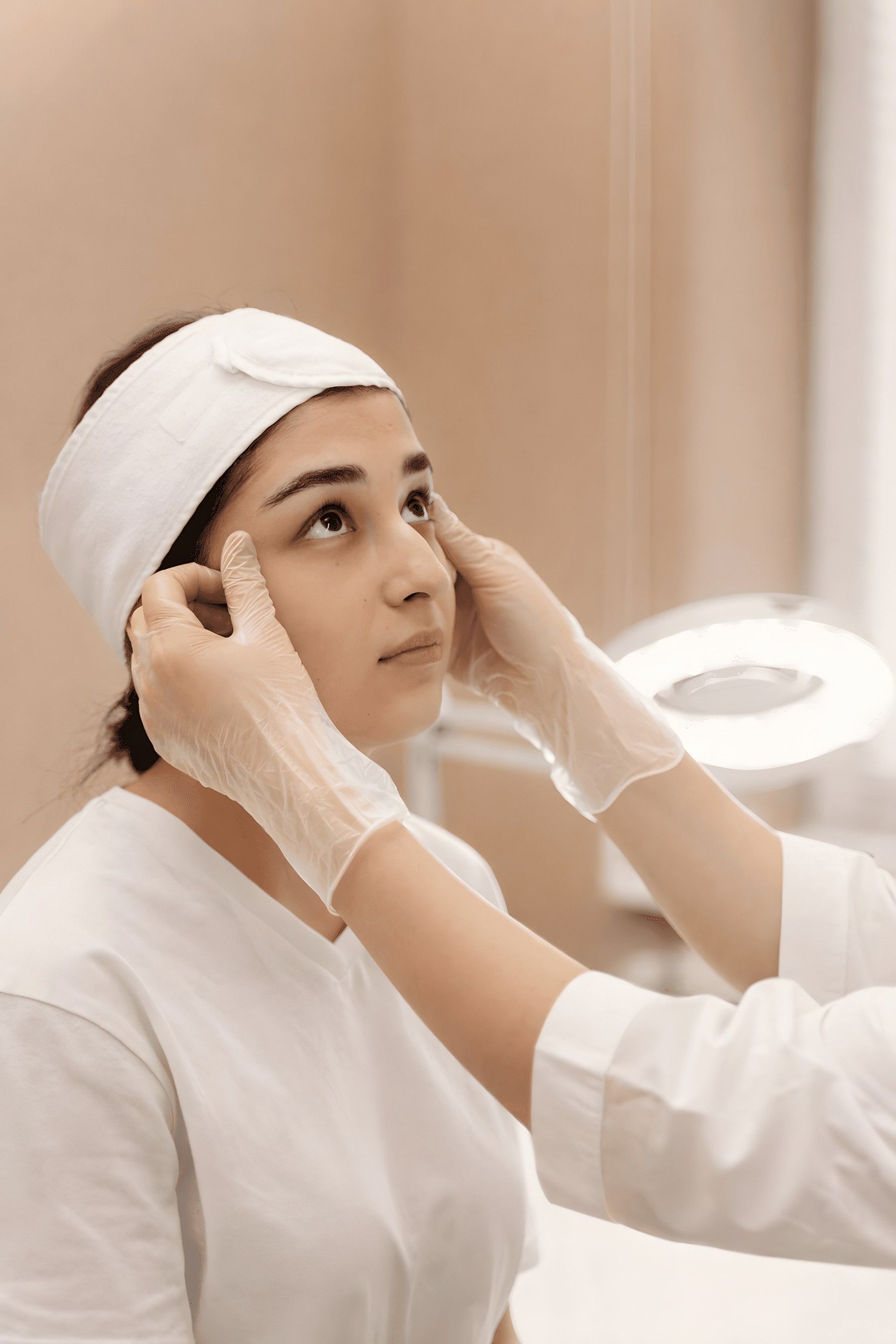
Your skin is cleansed and a numbing cream is applied. The device is then moved across the treatment area — most people feel a light vibration or scratching sensation. Soothing serums are applied afterwards. A session usually takes under an hour.
How many sessions?
Collagen builds gradually, so microneedling is typically done as a series of sessions spaced a few weeks apart. Improvements continue for weeks after each session. Deeper scars usually need more sessions, and combining microneedling with other treatments can enhance results.
Downtime and recovery
- Day 1–3: redness and mild tenderness, like a light sunburn
- Day 2–5: possible dryness or light flaking
- After that: skin looks fresher; collagen continues to build over the following weeks
Aftercare
- Keep skin clean and use only gentle, fragrance-free products.
- Avoid makeup for the first day or as advised.
- Skip retinoids, acids and scrubs for several days.
- Avoid saunas, swimming and intense workouts for 24–48 hours.
- Wear broad-spectrum sunscreen daily and avoid direct sun.
Why you shouldn’t DIY with a derma roller
Home derma rollers are widely sold, but they’re risky. They’re hard to sterilise, can tear rather than puncture the skin, may spread bacteria and cause breakouts, infection or pigmentation — and they don’t achieve the controlled depth used in a clinic. Professional treatment is safer and more effective.
Who should avoid microneedling?
Microneedling may not be suitable with active acne breakouts or infections in the area, certain skin conditions, a tendency to keloid scarring, during pregnancy, or after recent isotretinoin use. Your clinician will check before treatment.
Acne and scar care at The Asense
At The Asense, every acne and scar plan starts with a detailed consultation with our Medical Director, Dr. Anisha Rai Kumar. Active breakouts come first — treatments such as Eclipse and Acne Reset calm and clear the skin — and your clinician will then advise on the best approach for any remaining marks or scars. Book a consultation at our West Punjabi Bagh clinic.
This article is for general education and is not a substitute for a personal consultation.
Frequently asked questions
What does microneedling help with?
Microneedling is commonly used to improve acne scars (especially rolling and shallow boxcar scars), enlarged pores, uneven texture, dullness and early fine lines by stimulating the skin's own collagen production.
How many microneedling sessions are needed?
Most people have a series of sessions spaced a few weeks apart, because collagen builds gradually. The exact number depends on your concern and how deep any scarring is.
Is there downtime after microneedling?
Skin is usually red and slightly tender for one to three days, similar to mild sunburn, and may feel dry or flake lightly afterwards. Most people return to normal activities quickly.
Can I use a derma roller at home instead?
It isn't recommended. Home rollers are hard to sterilise, can tear the skin and cause infection, irritation or pigmentation, and don't reach the depths used professionally. Professional microneedling is safer and more effective.
Is microneedling safe for Indian skin?
Yes, generally — it doesn't rely on heat or light, so the risk of pigmentation is lower than with some treatments. Sun protection and proper aftercare remain important.