body · · 7 min read
Laser Hair Removal in Delhi: Sessions, Safety & Results for Indian Skin
How laser hair reduction works on Indian skin, how many sessions you need, what it feels like, aftercare, and how to choose a clinic in Delhi.
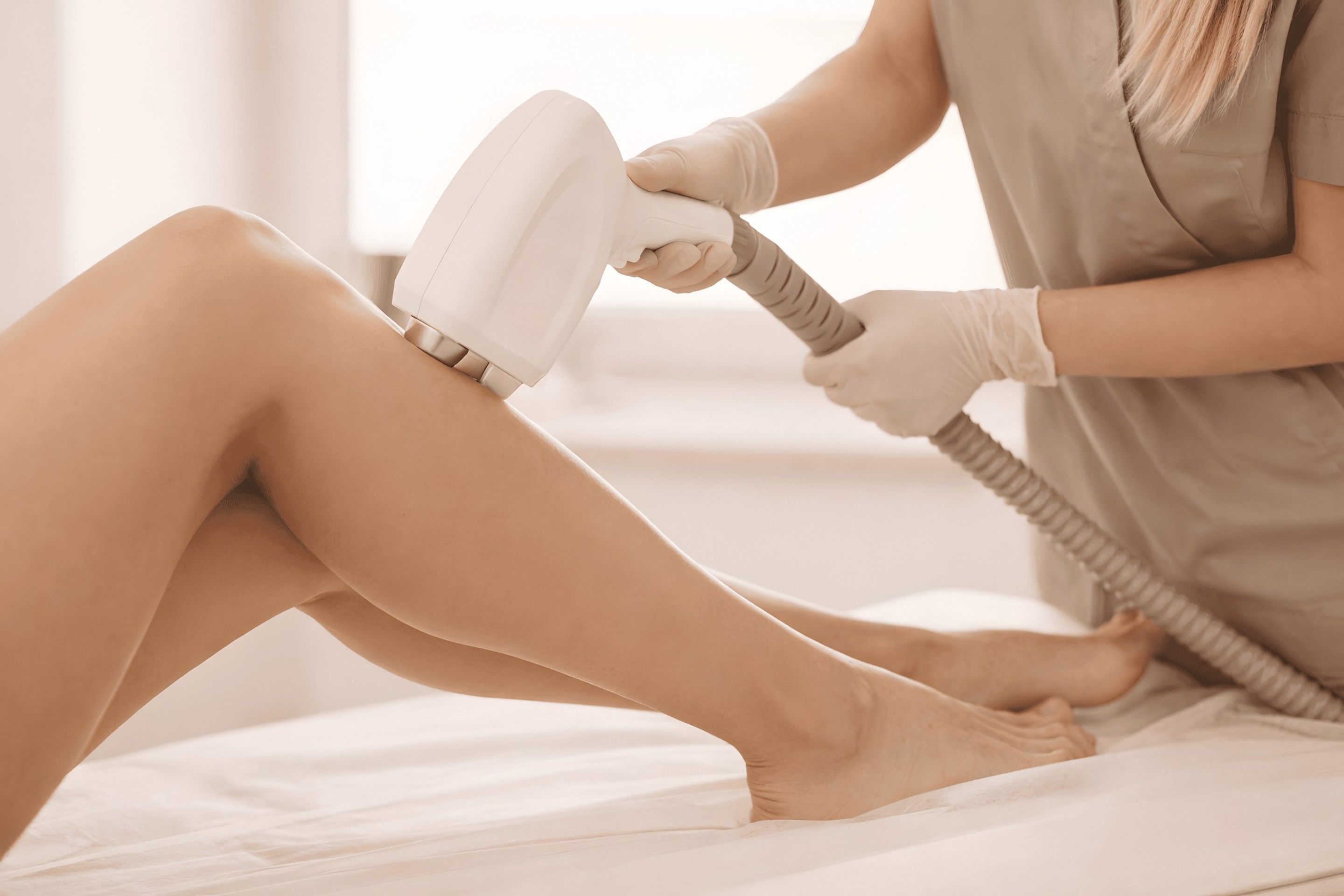
Shaving every other day, booking a waxing appointment every three weeks, dealing with ingrown hairs and strawberry legs — for many people, hair removal is a constant, time-consuming chore. Laser hair reduction offers a long-term alternative. But it also raises sensible questions, especially for Indian skin: Is it safe? Does it hurt? How many sessions will I need?
This guide answers those questions honestly, so you know exactly what to expect before you book.
How laser hair reduction works
Laser hair reduction uses concentrated light energy that is absorbed by melanin — the pigment in the hair. That energy converts to heat in the hair shaft and follicle, damaging the follicle’s ability to grow new hair while leaving the surrounding skin intact.
Two things follow from this:
- It works best on dark, coarse hair, because there is more pigment to absorb the light. Very fine, blonde, grey or white hair has little melanin and responds poorly.
- It only affects hairs that are actively growing. Hair grows in cycles, and at any one time only a portion of your hair is in the active (anagen) phase. That is why one session is never enough.
Is laser hair removal safe for Indian skin?
Yes — when it’s done properly. The challenge with darker or tanned skin is that the skin itself contains more melanin, so the laser has to be set to target the follicle without overheating the surrounding skin. This is a matter of choosing the right technology and settings for your skin type, and adjusting them as treatment progresses.
That is why the most important part of any laser course isn’t the laser — it’s the consultation. At The Asense, every treatment is medically supervised and begins with a detailed assessment of your skin, hair type and medical history before any session is planned.
Risks are low when treatment is appropriate, but they can include temporary redness, swelling around the follicles and, less commonly, pigment changes or irritation if aftercare isn’t followed. Avoiding sun and tanning before and after sessions significantly reduces these risks.
How many sessions will you need?
Most people need around six to eight sessions, spaced roughly four to eight weeks apart, depending on the area. Areas with a faster hair cycle (like the face) are treated more frequently than slower areas such as the legs or back.
Results build gradually:
- After the first one or two sessions, treated hairs shed over the following couple of weeks, and regrowth starts to look patchier.
- By the middle of the course, most people notice noticeably less hair, finer regrowth and much less frequent shaving.
- By the end of the course, hair growth is significantly reduced. An occasional maintenance session may be needed later, particularly for hormonally influenced areas.
Things that influence results
Hair colour, skin type, hormonal factors, treatment consistency, and following pre- and post-care instructions all play an important role in achieving effective results. Conditions that affect hormones — such as PCOS — can make facial and body hair more persistent, so results may take longer and maintenance may be needed.
Popular areas for laser hair reduction
Laser can be used on most areas of the face and body, including:
- Upper lip, chin and jawline
- Underarms
- Arms and hands
- Legs (full or half)
- Back, chest and stomach
- Bikini line
- Full-body courses
Underarms and legs are popular first areas because they also help with ingrown hairs and the dark, dotted look that frequent shaving and waxing can leave behind.
What a session feels like
Most people describe the sensation as a quick snap or a warm prickle — similar to a rubber band flicked against the skin. Modern systems use cooling to keep the skin comfortable, and the sensation lessens as hair density reduces over the course. Small areas like the upper lip or underarms take only a few minutes; larger areas such as full legs take longer.
How to prepare for your session
- Shave the area a day before your appointment (don’t wax, thread or pluck — the root needs to be in the follicle).
- Avoid sun exposure and tanning for at least two weeks before treatment, and don’t use self-tanner.
- Skip strong actives such as retinoids or exfoliating acids on the area for a few days beforehand.
- Arrive with clean skin — no deodorant, lotion or makeup on the treatment area.
- Tell your clinician about any medicines, recent sun exposure or skin conditions.
Aftercare: what to do after laser hair removal
- Expect mild redness or small bumps around the follicles for a few hours; this usually settles quickly.
- Avoid hot showers, saunas, steam rooms and intense workouts for 24–48 hours.
- Wear a broad-spectrum sunscreen on exposed treated areas, and avoid sun exposure.
- Don’t pick at hairs as they shed over the next one to three weeks — let them fall out naturally.
- Keep the skin moisturised and avoid harsh scrubs for a few days.
- Shave as needed between sessions, but don’t wax or thread.
Laser vs waxing vs threading
| Laser hair reduction | Waxing | Threading / shaving | |
|---|---|---|---|
| How long results last | Long-term reduction | Three to six weeks | Days to two weeks |
| Ingrown hairs | Usually reduced | Common | Common with shaving |
| Effect on skin | Smoother, less “strawberry” texture over time | Can cause irritation and darkening | Can cause bumps and stubble shadow |
| Time commitment | A course of sessions, then occasional maintenance | Ongoing, lifelong | Ongoing, frequent |
What affects the cost of laser hair removal in Delhi
Prices vary widely between clinics, so it helps to understand what you’re paying for rather than comparing headline numbers. The main factors are:
- The size and number of areas being treated
- The number of sessions your hair and skin type will need
- The technology used and how well it suits your skin type
- Who performs the treatment and whether it is medically supervised
- Whether a consultation, patch assessment and aftercare are included
Very low prices can mean fewer sessions, less suitable settings or inexperienced operators — which can lead to poor results or skin damage. Ask for a clear plan and an itemised quote at your consultation.
How to choose a laser clinic in Delhi
Before you commit to a course, ask:
- Will I have a consultation and skin assessment before treatment?
- Is the treatment medically supervised?
- Is the technology suitable for my skin type and hair colour?
- How many sessions do you expect I’ll need, and how far apart?
- What aftercare will you give me, and who do I contact if I have a reaction?
Laser hair reduction at The Asense, Punjabi Bagh
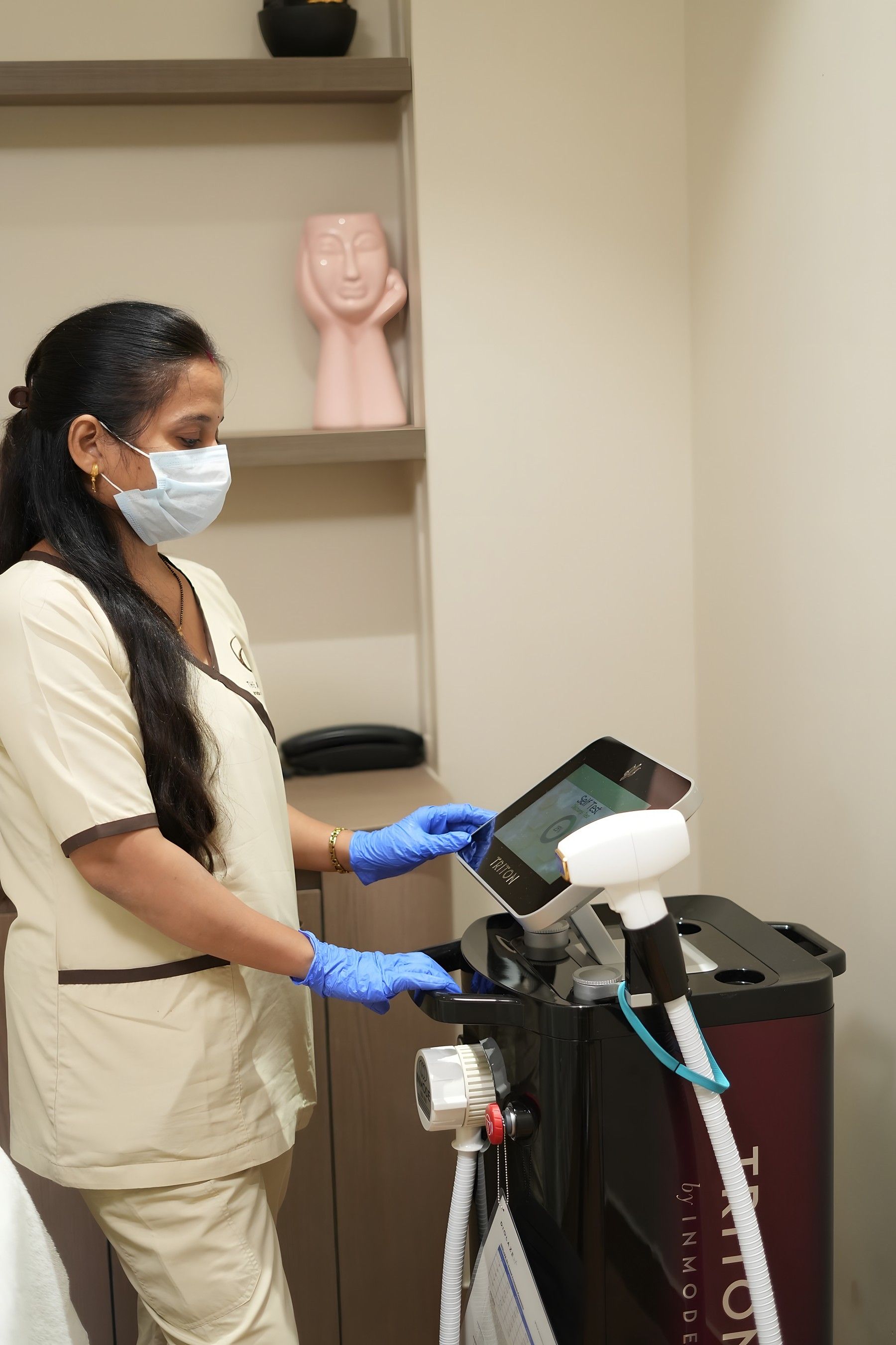
At The Asense, Laser Hair Reduction is planned as a long-term solution for managing unwanted hair and achieving a clean, refined appearance. It’s ideal for the face and body, gradually reducing hair growth and helping minimise frequent shaving, waxing and ingrown hairs. Every course starts with a detailed consultation, and sessions take place in private, calm treatment rooms.
We’re in West Punjabi Bagh — convenient for clients from Rajouri Garden, Paschim Vihar, Punjabi Bagh, Shalimar Bagh, Pitampura and across West Delhi. We’re open 11 am to 7:30 pm, every day except Wednesday. Book a consultation to find out whether laser is right for you.
This article is for general education and is not a substitute for a personal consultation. Laser treatment is not suitable for everyone; your clinician will advise based on your skin, hair and medical history.
Frequently asked questions
Is laser hair removal permanent?
Laser hair removal is best described as long-term hair reduction. A full course significantly reduces hair growth, and the hair that does return is usually finer and lighter. Hormonal changes can stimulate new growth over time, so many people have an occasional maintenance session.
How many sessions of laser hair removal are needed?
Most people need a course of around six to eight sessions, spaced roughly four to eight weeks apart depending on the body area, because laser only affects hairs in the active growth phase. Hormonally driven areas such as the face may need more. Your clinician will recommend a plan after assessing your hair and skin.
Is laser hair removal safe for Indian skin?
Yes, when it is performed with an appropriate laser and settings for your skin type by trained, medically supervised staff. Darker skin needs settings that protect the surrounding skin while still targeting the follicle, which is why a consultation and patch assessment matter.
Does laser hair removal hurt?
Most people describe it as a quick snapping or warm prickling sensation, similar to a rubber band flicking the skin. Modern systems use cooling to keep sessions comfortable, and sensitivity varies by area and person.
Can I shave between laser sessions?
Yes. Shaving is fine between sessions and is usually recommended before each one. Avoid waxing, threading and plucking during your course, because laser needs the hair root to be present in the follicle.
When is the best time of year to start laser hair removal?
Many people in Delhi start in autumn or winter, when sun exposure is lower and it is easier to avoid tanning between sessions. You can have laser at any time of year as long as you protect the treated skin from the sun.