body · · 4 min read
Skin Tags & Warts: Causes, Safe Removal and Why You Shouldn't DIY
What causes skin tags and warts, how they differ, why home removal is risky, and what to expect from quick, clinic-based removal.
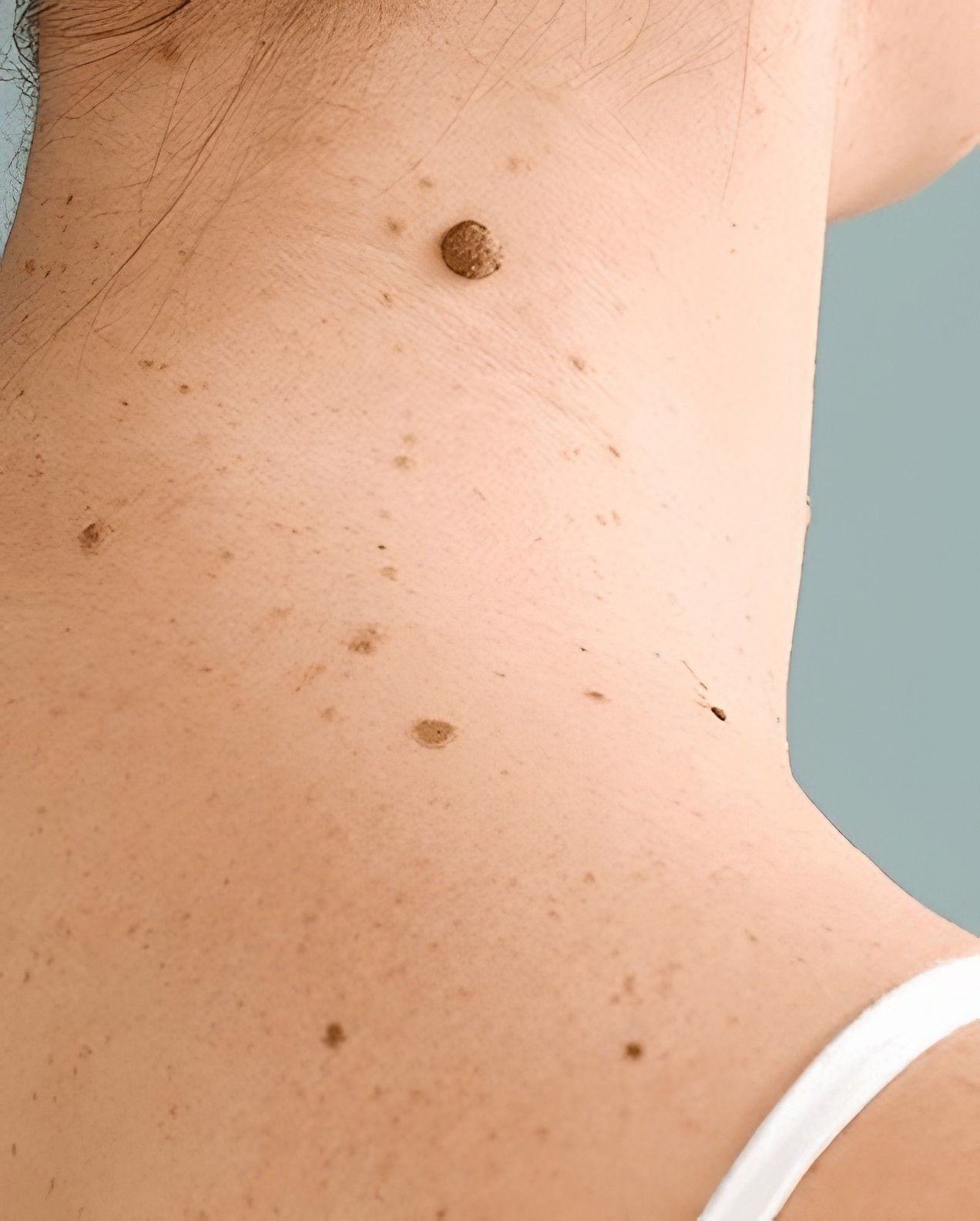
Skin tags and warts are extremely common — and while they’re usually harmless, they can catch on jewellery and clothing, become irritated, or simply affect how you feel about your skin. The good news is that removal is quick and straightforward in a clinic.
What are skin tags?
Skin tags are small, soft, flesh-coloured or slightly darker growths that hang from the skin on a thin stalk. They’re harmless and not contagious.
Where they appear: areas where skin rubs against skin or clothing — the neck, underarms, eyelids, under the breasts, groin and along necklines.
Why they appear: friction plays a big role. They’re also more common with age, weight gain, pregnancy, diabetes or insulin resistance, and can run in families.
What are warts?
Warts are rough, firm growths caused by the human papillomavirus (HPV). Unlike skin tags, warts can spread — to other areas of your own skin or to other people — particularly through cuts or by picking.
Common types: common warts (often on hands and fingers), flat warts (smaller and smoother, often on the face or legs), and plantar warts (on the soles of the feet).
Skin tags vs warts at a glance
| Skin tags | Warts | |
|---|---|---|
| Texture | Soft, smooth, fleshy | Rough, firm, grainy |
| Shape | Hangs from a thin stalk | Raised or flat, attached to skin |
| Cause | Friction, genetics, metabolic factors | HPV (a virus) |
| Contagious? | No | Yes |
| Common areas | Neck, underarms, eyelids, groin | Hands, fingers, feet, face |
Why you shouldn’t remove them at home
It’s tempting to snip a skin tag off or try an online “hack”, but home removal carries real risks:
- Bleeding — skin tags have their own blood supply.
- Infection from non-sterile tools.
- Scarring and pigmentation, especially on Indian skin.
- Spreading warts to other areas by cutting or picking.
- Misdiagnosis — not every growth is a skin tag. Moles and other lesions should be assessed by a professional before anything is removed.
Professional removal: what to expect
Clinic-based removal is quick, precise and hygienic. After assessing the growth, the clinician removes it using an appropriate technique for its size and location. Most procedures take only a few minutes, and you can usually return to your normal routine straight away.
Aftercare is simple: keep the area clean and dry, avoid picking any small scab that forms, and protect the area from the sun as it heals.
Who is more likely to get skin tags?
Skin tags can appear on anyone, but they are more common:
- In middle age and beyond
- With weight gain, where skin folds create friction
- During pregnancy, due to hormonal changes
- In people with diabetes or insulin resistance
- When there’s a family history of skin tags
A sudden increase in skin tags is worth mentioning to your doctor, as it can sometimes be linked to metabolic health.
How professional removal is done
The clinician will choose the method that suits the size, number and location of the growths. Common approaches include:
- Cautery — using controlled heat to remove the tag and seal the area at the same time.
- Cryotherapy — freezing the growth so it falls off over the following days; commonly used for warts.
- Excision — removing the tag with sterile instruments, often used for larger tags.
Larger warts may need more than one session. Areas around the eyes need particular care and precision.
Preventing new skin tags and warts
Skin tags: reduce friction where possible — breathable, well-fitting clothing, keeping skin folds dry, and lightweight jewellery. Maintaining a healthy weight and good metabolic health may also help.
Warts: because warts are caused by a virus, avoid picking or shaving over them, wear footwear in shared showers and around pools, don’t share towels or razors, and keep cuts covered.
When to see a doctor
Always have a growth checked if it changes in size, shape or colour, bleeds without being injured, becomes painful, or looks different from your other skin tags or moles.
Wart & tag removal at The Asense
At The Asense, Wart & Tag Removal is a precise, clinic-based treatment designed to safely eliminate unwanted skin tags and similar minor growths for a smoother, clearer appearance. Ideal for areas where tags may cause discomfort or affect confidence, it offers a quick and effective solution with minimal downtime — leaving the area looking refined and well-maintained.
For uneven tone or darkening on the body, see Luminex. Book a consultation at our West Punjabi Bagh clinic.
This article is for general education and is not a substitute for a personal consultation. Any growth that is changing, bleeding or painful should be assessed by a doctor.
Frequently asked questions
What causes skin tags?
Skin tags are small, soft, harmless growths that often appear where skin rubs against skin or clothing — such as the neck, underarms, eyelids and groin. They are more common with age, weight gain, pregnancy, diabetes or insulin resistance, and can run in families.
Are skin tags and warts the same thing?
No. Skin tags are soft, fleshy growths that hang from the skin and are not contagious. Warts are rough, firmer growths caused by the human papillomavirus (HPV) and can spread to other areas or other people.
Is it safe to remove skin tags at home?
It isn't recommended. Cutting, tying off or using over-the-counter removers can cause bleeding, infection, scarring or pigmentation — and a growth that looks like a skin tag may be something else that should be checked first. Clinic-based removal is quick, precise and hygienic.
Does skin tag removal leave a scar?
When done professionally, skin tag removal usually heals with minimal marking. Following aftercare and protecting the area from the sun helps the skin heal evenly.
Can skin tags come back after removal?
A removed skin tag doesn't usually grow back in the same spot, but new tags can form elsewhere, especially if the underlying factors such as friction remain.