body · · 6 min read
Laser Tattoo Removal: How It Works, Sessions, Pain & Aftercare
Thinking of removing or lightening a tattoo? How laser tattoo removal works, how many sessions it takes, what affects results, and how to care for your skin.
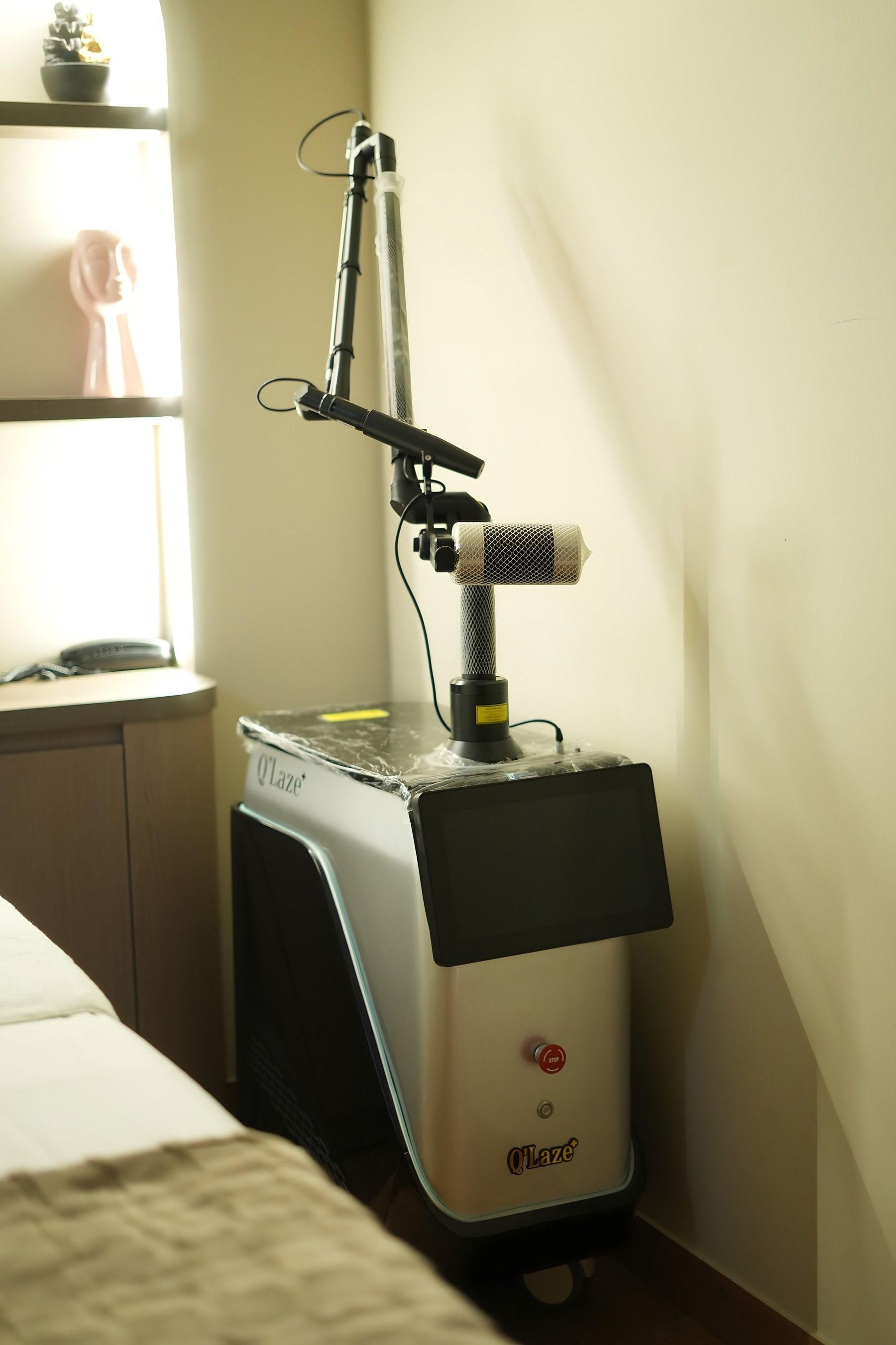
Tastes change. A name that once meant everything, a design that no longer feels like you, or a tattoo you simply want to rework — whatever the reason, laser tattoo removal has made it possible to fade or remove unwanted ink safely. Here’s what you need to know before you start.
How laser tattoo removal works
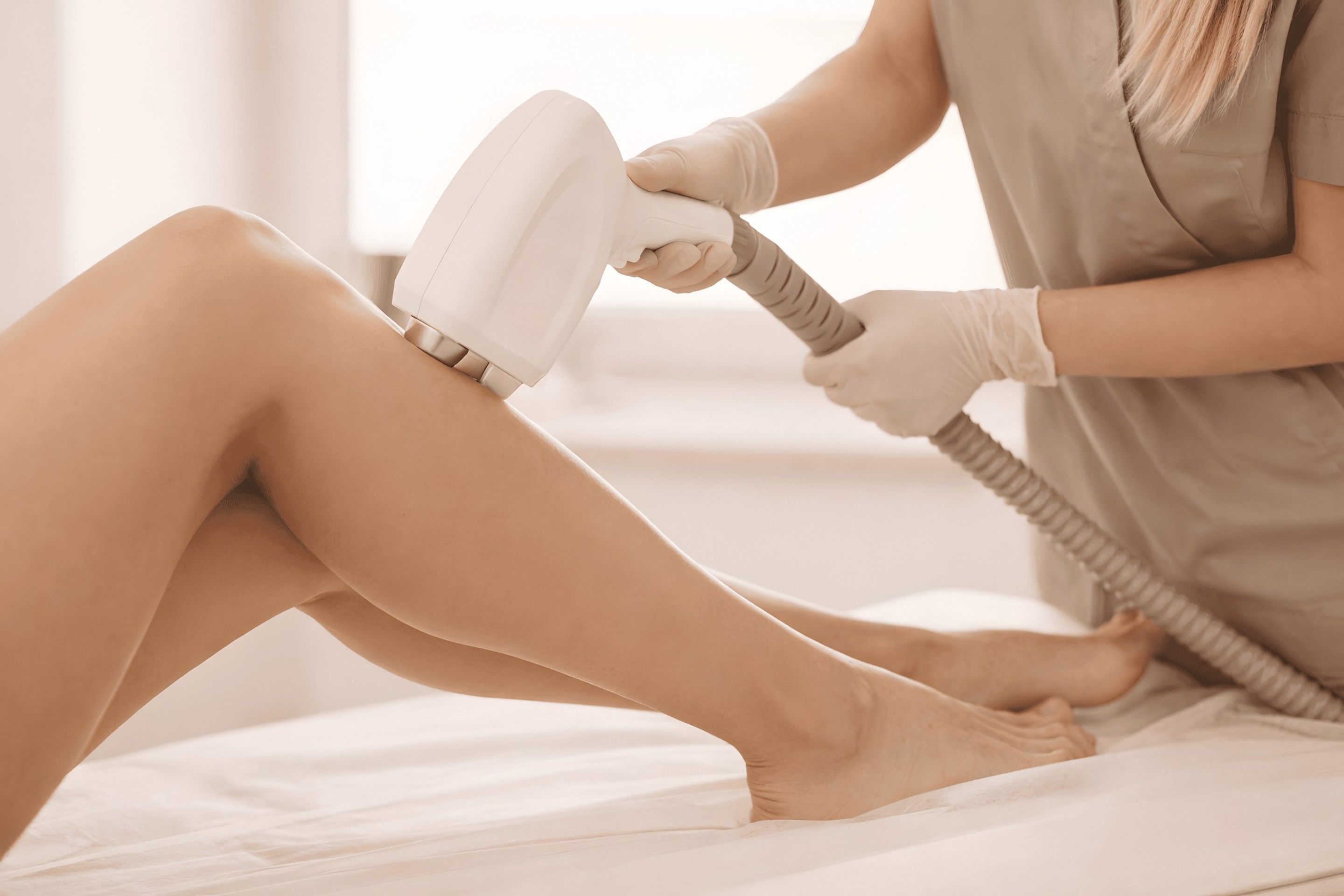
Laser tattoo removal uses advanced laser technology to break down tattoo pigments into smaller particles, which are gradually eliminated naturally by the body over multiple sessions.
The laser delivers very short, high-energy pulses of light that are absorbed by the ink beneath the skin. This shatters the ink into tiny fragments, which your immune system then gradually clears away. With each session, more ink is broken down and the tattoo becomes lighter.
How many sessions will you need?
Tattoo removal is a gradual process. Most tattoos need multiple sessions — often anywhere from six to twelve or more — spaced six to eight weeks or more apart. The gap between sessions is important: it allows the skin to heal and gives your body time to flush out the fragmented ink.
Factors that affect results
- Ink colour. Black and dark blue respond best. Colours like green, light blue, yellow and white are harder to remove.
- Tattoo age. Older tattoos have usually faded naturally and often respond faster.
- Amateur vs professional. Amateur tattoos generally contain less ink and fade more quickly than dense professional work.
- Size and location. Areas with good circulation (closer to the heart) tend to clear faster than hands, ankles and feet.
- Skin type. Darker skin needs more careful settings, which may mean more sessions.
- Your health and lifestyle. Smoking and poor circulation can slow ink clearance.
Removal vs lightening for a cover-up
Not everyone wants a tattoo gone completely. Many people choose to lighten an existing tattoo so that a new design can cover it more easily. This typically takes fewer sessions than full removal and gives the tattoo artist much more creative freedom.
What a session feels like
Most people say it feels similar to getting the tattoo — or like a rubber band snapping against the skin. Sessions are quick, often just a few minutes for a small tattoo. Cooling measures help keep the area comfortable.
Immediately after treatment, the area may look white or frosted, then red and slightly swollen. This settles over the following hours to days.
Is laser tattoo removal right for you?
Laser tattoo removal suits most healthy adults who want to fade, lighten or remove a tattoo. Your clinician may advise waiting or choosing a different approach if you:
- Are pregnant or breastfeeding
- Have an active skin infection, rash or open wound in the area
- Have recently tanned or had significant sun exposure on the tattoo
- Have a history of keloid or raised scarring
- Are taking medicines that make the skin sensitive to light
This is why every course starts with a consultation and a careful look at your tattoo, skin and medical history.
Preparing for your session
- Avoid sun and tanning on the tattooed area for several weeks beforehand.
- Don’t apply lotions or self-tanner to the area on the day.
- Shave the area if there’s hair over the tattoo.
- Wear loose, comfortable clothing that won’t rub the treated skin.
- Tell your clinician about any medicines, supplements or skin conditions.
What to expect over the course of treatment
- After the first session: the tattoo may look darker or similar at first, then gradually lighten over the following weeks as your body clears ink.
- Through the middle sessions: fading becomes more obvious; lines blur and colours soften.
- Towards the end: remaining ink becomes patchy and faint. Stubborn colours may need extra sessions.
Patience is essential. Much of the fading happens between sessions as your immune system works, which is why sessions are spaced weeks apart.
Tattoo removal myths
- “One session will remove it.” Almost every tattoo needs a series of sessions.
- “Creams can remove tattoos.” Tattoo ink sits in the dermis, deeper than creams can reach; “removal creams” can irritate or scar the skin.
- “Coloured tattoos can’t be removed.” Some colours are harder, but many coloured tattoos can be significantly faded.
- “It always leaves a scar.” With appropriate settings and good aftercare, the risk of scarring is low.
Aftercare after laser tattoo removal
Proper healing care, avoiding direct sun exposure, keeping the area protected, and following post-session guidelines are essential for minimising irritation and supporting skin recovery.
- Keep the area clean and dry, and follow any dressing instructions you’re given.
- Don’t pick or scratch at blisters or scabs — let them heal naturally.
- Avoid sun exposure and protect the area with clothing or sunscreen once healed.
- Skip swimming pools, saunas and hot baths until the skin has healed.
- Moisturise gently once the skin has closed.
- Contact your clinic if you notice signs of infection or anything unexpected.
Possible side effects
Temporary redness, swelling, blistering and tenderness are normal after treatment. Less commonly, the skin may become lighter or darker in the treated area, particularly if aftercare and sun protection aren’t followed. Choosing a medically supervised clinic and following instructions carefully reduces these risks.
Tattoo removal at The Asense: Clean Slate
At The Asense, Clean Slate is an advanced tattoo lightening treatment designed to gradually fade unwanted ink and restore the skin’s natural clarity. Ideal for those looking to revise, lighten or remove existing tattoos, it works to break down pigment over a series of sessions, allowing the skin to appear clearer with time. Whether you’re preparing for a cover-up or seeking complete removal, Clean Slate offers a refined, progressive approach.
Every course begins with a consultation to assess your tattoo and skin. Book a consultation at our West Punjabi Bagh clinic — open 11 am to 7:30 pm, every day except Wednesday.
This article is for general education and is not a substitute for a personal consultation.
Frequently asked questions
How many sessions does laser tattoo removal take?
Most tattoos need multiple sessions — often somewhere between six and twelve or more — spaced several weeks apart to allow the skin to heal and the body to clear the broken-down ink. Amateur and older tattoos may fade faster; dense, multi-coloured professional tattoos usually take longer.
Does laser tattoo removal hurt?
Most people describe the sensation as similar to getting the tattoo, or like a rubber band snapping against the skin. Sessions are quick, and cooling and numbing measures can make treatment more comfortable.
Can a tattoo be removed completely?
Many tattoos can be faded significantly or removed, but results depend on the ink colours, depth, age and size of the tattoo and your skin type. Some colours, such as green and light blue, are harder to remove. Lightening a tattoo enough for a cover-up is often achieved in fewer sessions.
Is laser tattoo removal safe for Indian skin?
Yes, when treatment is planned and performed by trained, medically supervised professionals using appropriate settings. Darker skin needs careful settings and sun protection to reduce the risk of pigment changes.
How long should I wait between tattoo removal sessions?
Sessions are usually spaced six to eight weeks or more apart. This gives the skin time to heal and allows your immune system to clear the fragmented ink particles between treatments.