hair · · 7 min read
PRP Hair Treatment in Delhi: How It Works, Sessions, Results & Who It Suits
How PRP for hair loss works, how many sessions you need, what results to expect, who it suits, side effects and aftercare — explained simply.
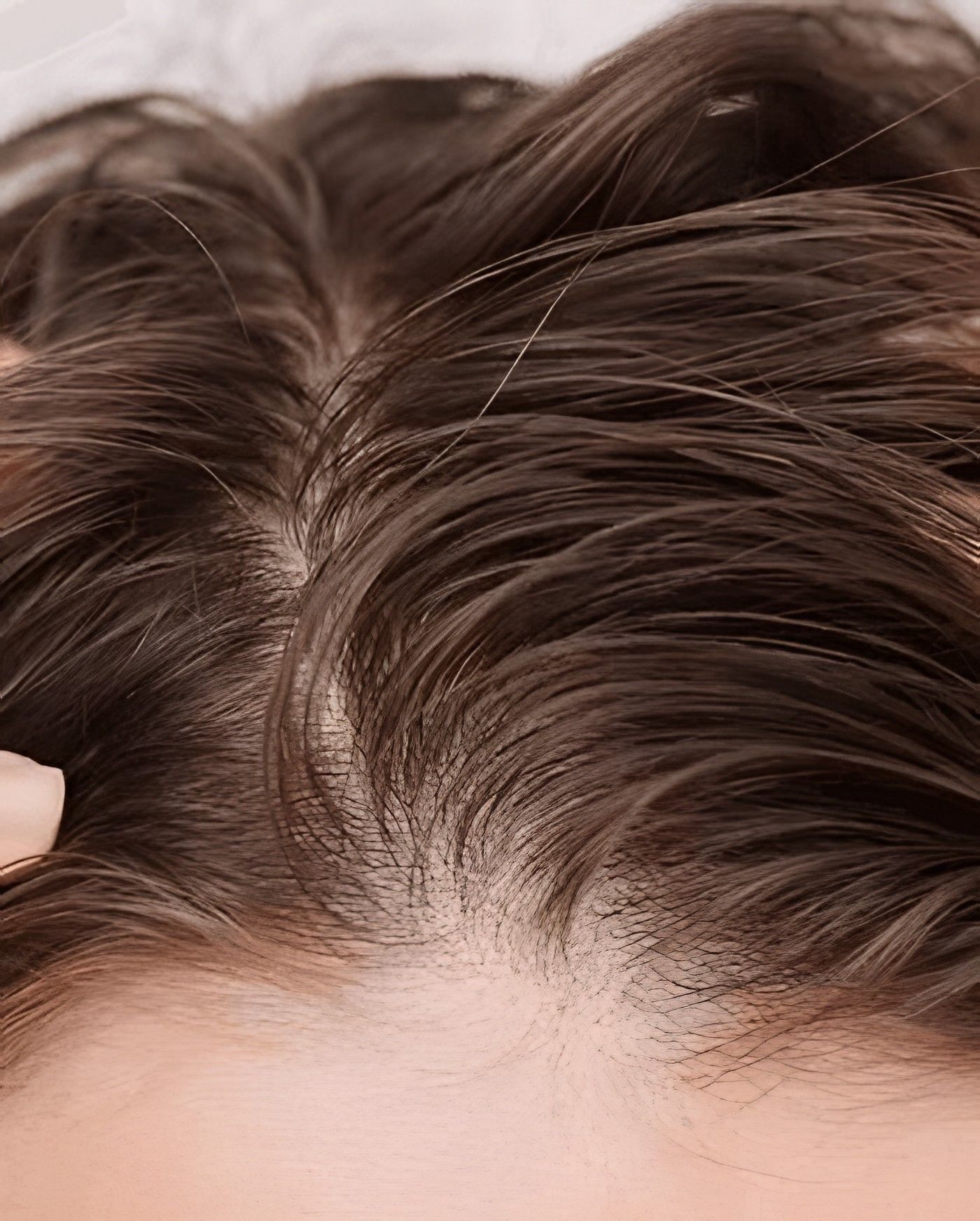
Hair fall can be one of the most stressful things to notice in the mirror. Among the treatments people ask us about most often is PRP — platelet-rich plasma therapy. It’s popular because it uses your own blood, has minimal downtime and can be very effective for the right person.
Here is an honest, simple guide to what PRP is, how it works and whether it might suit you.
What is PRP?
Your blood contains platelets — cells best known for helping wounds heal. Platelets release growth factors, proteins that signal tissues to repair and regenerate. PRP concentrates these platelets from a small sample of your own blood, and the concentrated plasma is then injected into the areas of the scalp where hair is thinning.
The idea is simple: deliver a concentrated dose of your body’s own repair signals directly to weakening follicles, encouraging them to stay in the growth phase longer and produce thicker, healthier hair.
How a PRP session works
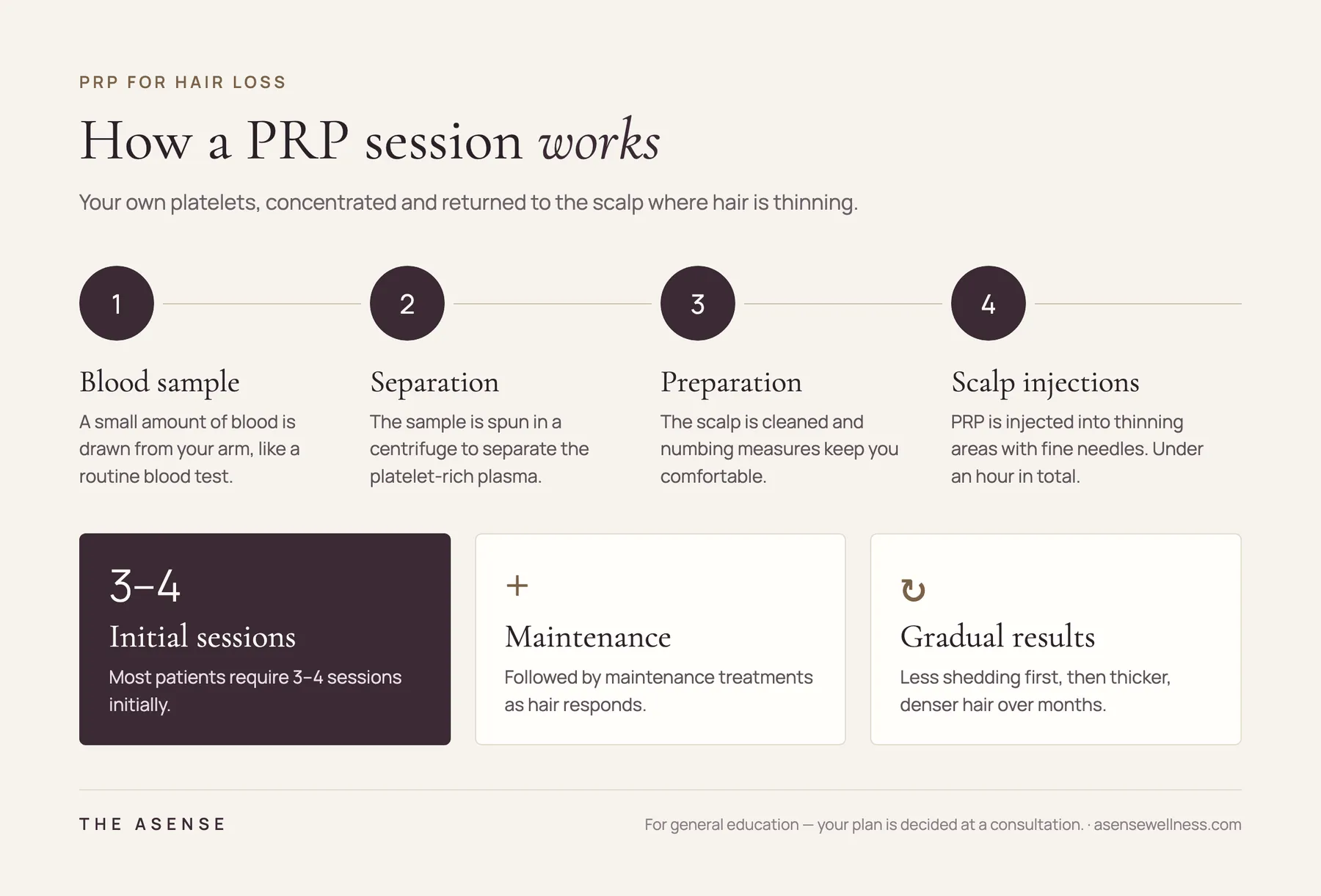
- Blood draw. A small amount of blood is taken from your arm, much like a routine blood test.
- Separation. The sample is spun in a centrifuge to separate the platelet-rich plasma from the other components.
- Preparation. The scalp is cleaned, and numbing measures are used to keep you comfortable.
- Injection. The PRP is injected into the thinning areas of the scalp using fine needles.
The whole session usually takes under an hour, and most people return to their normal day afterwards.
How many PRP sessions will you need?
Most patients require 3–4 sessions initially, followed by maintenance treatments. Sessions in the initial course are typically spaced a few weeks apart, and maintenance sessions are spread out further depending on how your hair responds.
Because hair grows slowly, results build gradually. Most people first notice reduced shedding, followed by improvements in thickness and density over the following months.
Who is PRP best for?
PRP tends to work best for:
- Early to moderate thinning, before follicles become inactive
- Pattern hair loss in men and women, as part of a broader plan
- Diffuse thinning and reduced density
- People who want a non-surgical option with minimal downtime
PRP is less effective where hair loss is advanced and follicles are no longer active, and it doesn’t address underlying causes such as nutritional deficiencies or thyroid problems on its own. That’s why identifying the cause of your hair fall comes first — see our guide to hair fall in Delhi: causes and what helps.
Who should avoid PRP?
PRP may not be suitable if you have certain blood or platelet disorders, an active scalp infection, some chronic illnesses, or take particular medicines such as blood thinners. It is usually avoided during pregnancy. A doctor should always review your medical history before treatment.
Side effects
PRP uses your own blood, so allergic reactions are very unlikely. Common, temporary effects include:
- Mild pain or tenderness at injection sites
- Slight swelling or redness
- Minor bruising
- A feeling of tightness in the scalp
These usually settle within a day or two.
Aftercare after PRP
- Avoid washing your hair for the period your clinician advises (often until the next day).
- Skip hair colouring, chemical treatments and heat styling for a few days.
- Avoid saunas, steam rooms and intense workouts for 24–48 hours.
- Don’t massage or scratch the treated areas.
- Stay hydrated and follow any home-care plan you’re given.
Making PRP more effective
PRP works best as part of a complete plan:
- Treat the cause — check for deficiencies, hormonal factors and scalp conditions.
- Keep the scalp healthy — manage dandruff, build-up and oiliness.
- Support from the inside — enough protein, sleep and stress management.
- Stay consistent — complete the initial course and keep up maintenance.
Hair and scalp care at The Asense
At The Asense, hair care starts with a detailed consultation led by our Medical Director, Dr. Anisha Rai Kumar, to understand what’s behind your hair fall before recommending treatment. Our hair and scalp treatments include:
- Root Reboot — an advanced hair regrowth treatment designed to strengthen follicles, stimulate natural growth and reduce ongoing hair fall.
- Follix — an advanced scalp treatment for dandruff, flaking, itchiness and build-up that restores overall scalp health.
Book a consultation at our West Punjabi Bagh clinic to find out which approach suits your hair.
This article is for general education and is not a substitute for a personal consultation. PRP is a medical procedure and should only be performed after a doctor has reviewed your medical history.
Frequently asked questions
How many PRP sessions are required for hair loss?
Most patients require 3–4 sessions initially, followed by maintenance treatments.
Does PRP for hair loss really work?
PRP can help strengthen weakening follicles and improve hair density and thickness, particularly in early-stage thinning. Results vary from person to person, depend on the cause of hair loss, and build gradually over several months. It cannot regrow hair where follicles are no longer active.
Is PRP hair treatment painful?
Most people feel mild discomfort from the injections. Numbing measures are commonly used to keep the session comfortable, and any tenderness usually settles within a day or two.
When will I see results after PRP?
Hair grows slowly, so most people start noticing reduced shedding and improved hair quality after a few months, with results continuing to build through the course and maintenance sessions.
Who should avoid PRP?
PRP may not be suitable for people with certain blood or platelet disorders, active scalp infections, some chronic illnesses, or those on particular medicines such as blood thinners. It is usually avoided during pregnancy. A doctor will review your medical history before treatment.