body · · 7 min read
Dark Underarms, Elbows, Knees & Neck: Causes and Treatments That Actually Help
Why underarms, elbows, knees, neck and inner thighs darken, what makes it worse, what helps at home, and when professional treatment makes sense.

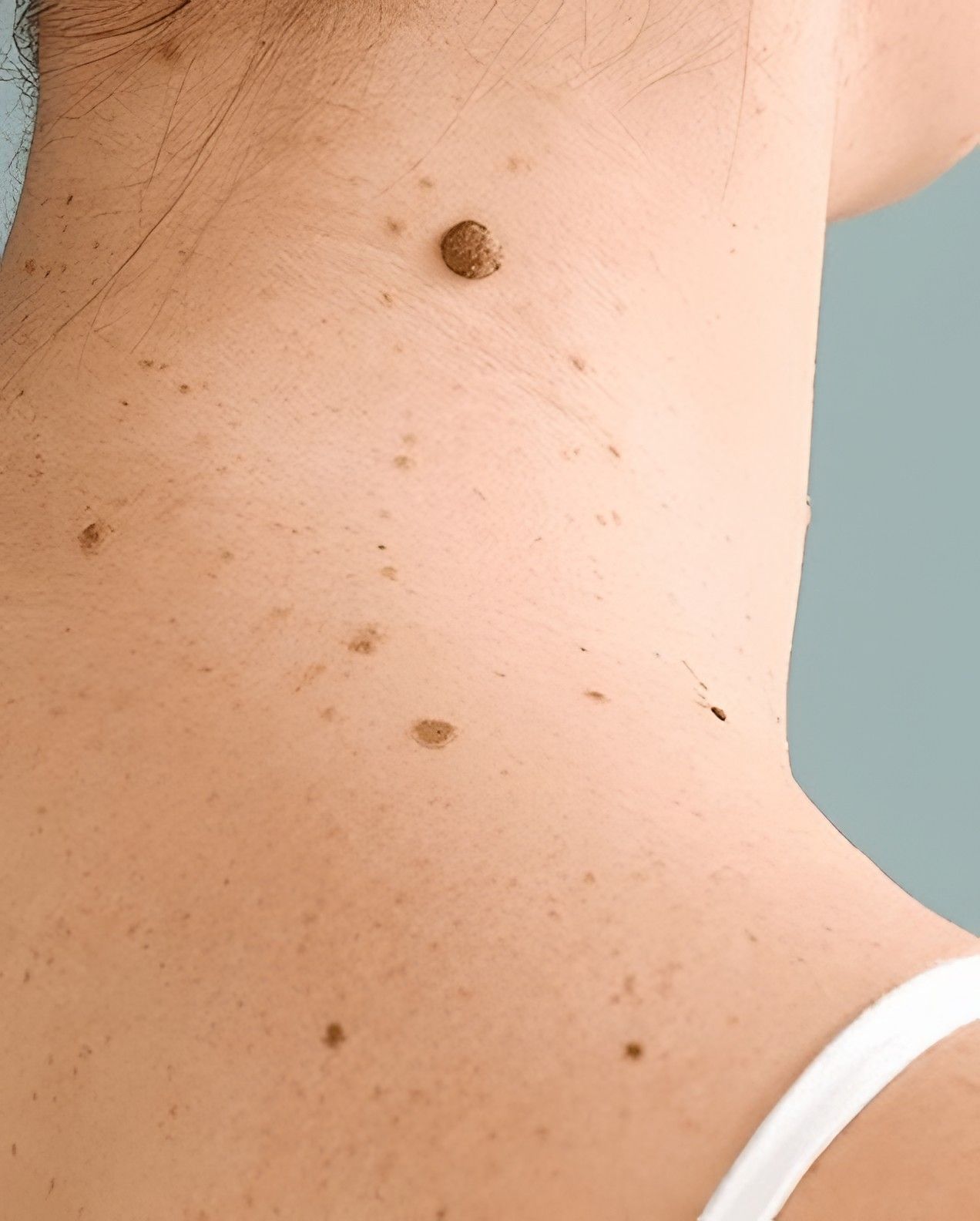
Dark underarms, elbows, knees, neck or inner thighs are among the most common skin concerns in India — and among the least talked about. Many people quietly avoid sleeveless outfits or certain poses in photos because of them.
The good news: in most cases, body pigmentation is very manageable once you understand what’s causing it.
Why do these areas darken?
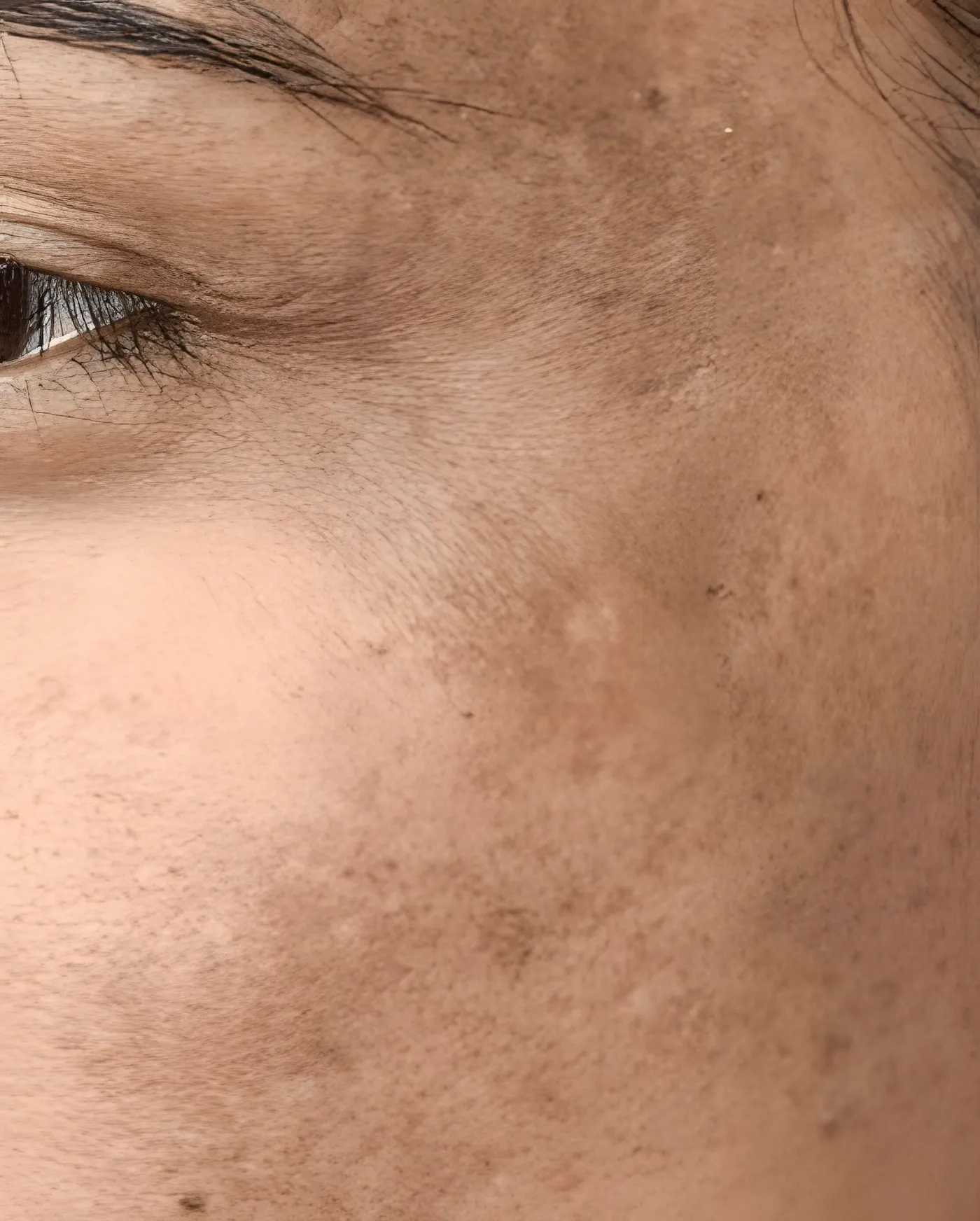
Indian skin contains more melanin and tends to respond to friction, irritation and inflammation by producing extra pigment. Body folds and joints are exposed to all three.
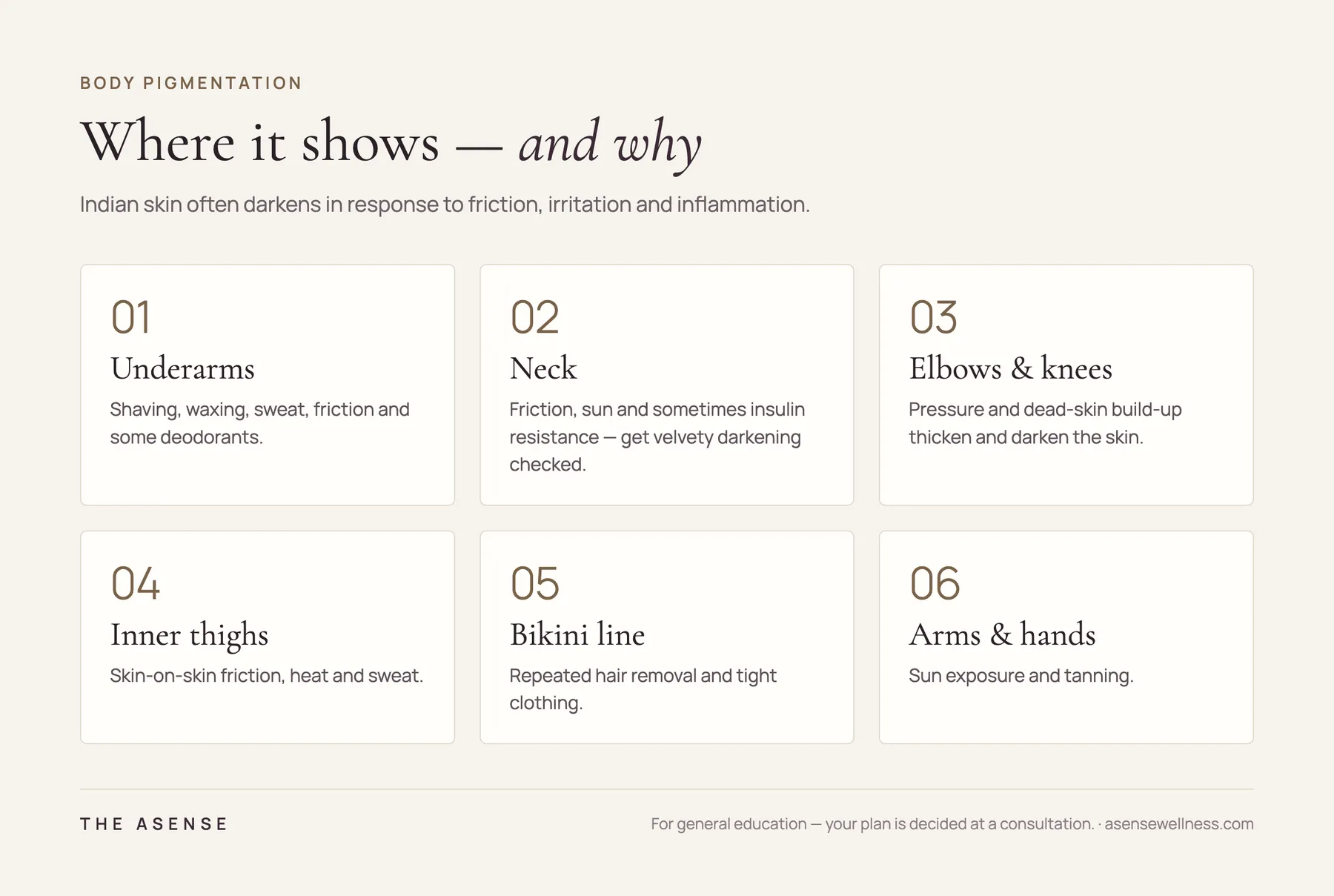
Common causes
- Friction — skin rubbing against skin or tight clothing (underarms, inner thighs, neck).
- Shaving and waxing — repeated irritation and regrowth create a dark, dotted look.
- Sweat and heat — especially in Delhi summers and humid monsoons.
- Dead-skin build-up — elbows and knees thicken and darken with pressure.
- Products — some deodorants, fragrances and harsh soaps irritate sensitive skin.
- Sun exposure — the neck, arms and back of hands tan easily.
- Hormonal and metabolic factors — insulin resistance, PCOS and weight changes can cause velvety darkening, especially on the neck and underarms.
When to see a doctor
If darkening is velvety and thickened, appears suddenly, spreads, or comes with weight changes, irregular periods or other symptoms, see a doctor. This pattern (acanthosis nigricans) can be linked to insulin resistance and is worth checking.
What helps at home
- Reduce friction — choose breathable, well-fitting cotton clothing.
- Be gentle — swap harsh soaps and scrubs for a mild cleanser.
- Exfoliate gently — a mild chemical exfoliant (such as lactic acid) once or twice a week for elbows and knees.
- Moisturise daily — dry skin looks darker and rougher.
- Choose irritation-free products — try a fragrance-free deodorant, and never apply it to freshly shaved skin.
- Protect from the sun — use sunscreen on exposed areas like the neck and arms.
- Rethink hair removal — frequent shaving and waxing keep the skin irritated.
Ingredients that help
Niacinamide, alpha arbutin, kojic acid, azelaic acid, lactic acid and vitamin C are commonly used to even out body pigmentation. Introduce one at a time, and stop if your skin becomes irritated.
DIY remedies to avoid
Lemon juice, baking soda, bleach creams and undiluted essential oils are popular online — but they irritate the skin and can make pigmentation worse, particularly on Indian skin.
Professional treatments
When home care isn’t enough, in-clinic treatments can target stubborn pigmentation more effectively.
Luminex at The Asense
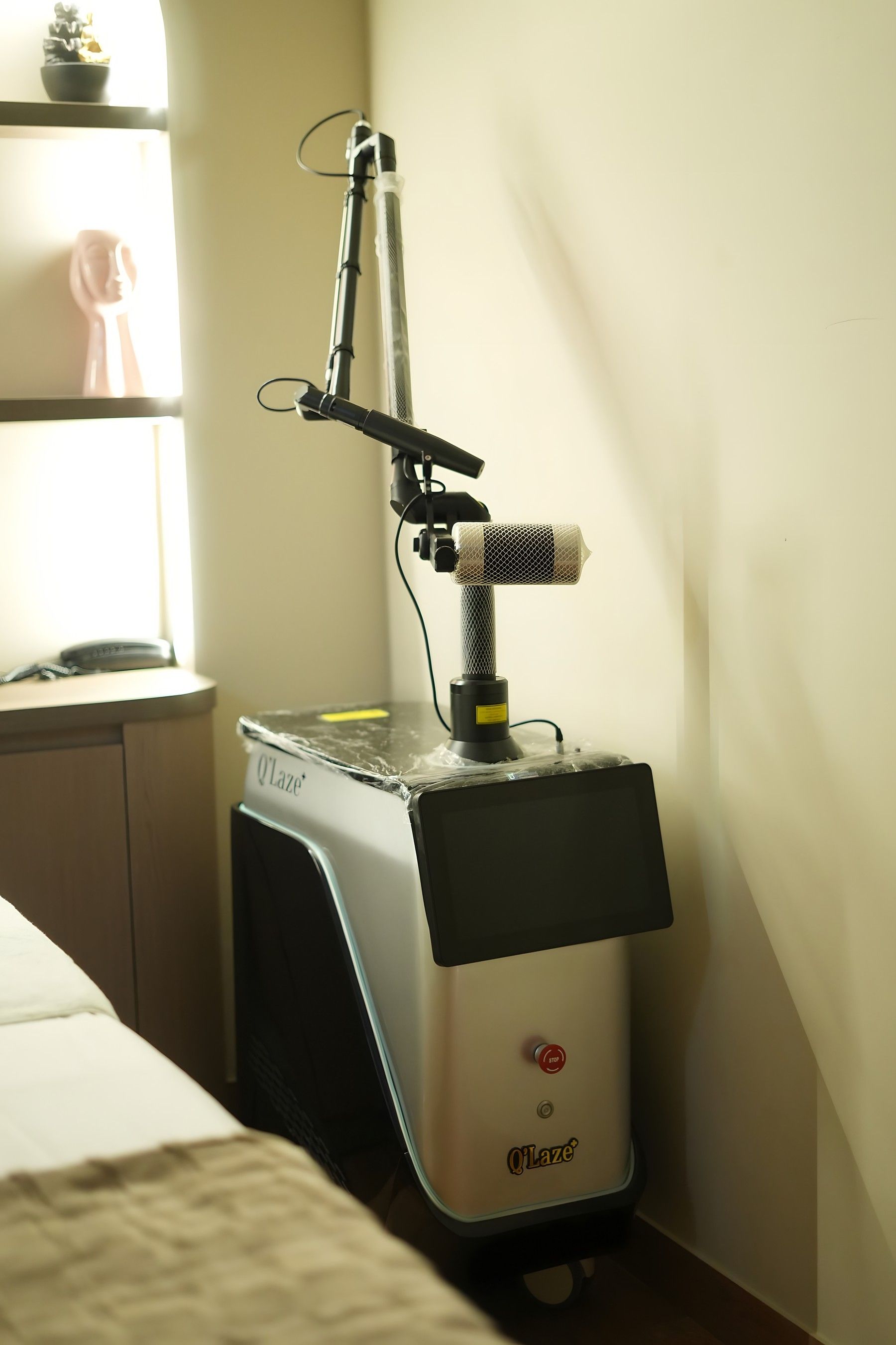
Luminex is a targeted skin treatment designed to visibly improve pigmentation and restore a clearer, more even tone across both face and body. It’s ideal for areas prone to darkening — such as the face, underarms, elbows and other concern zones — and helps address uneven tone, tanning and dullness.
Laser hair reduction
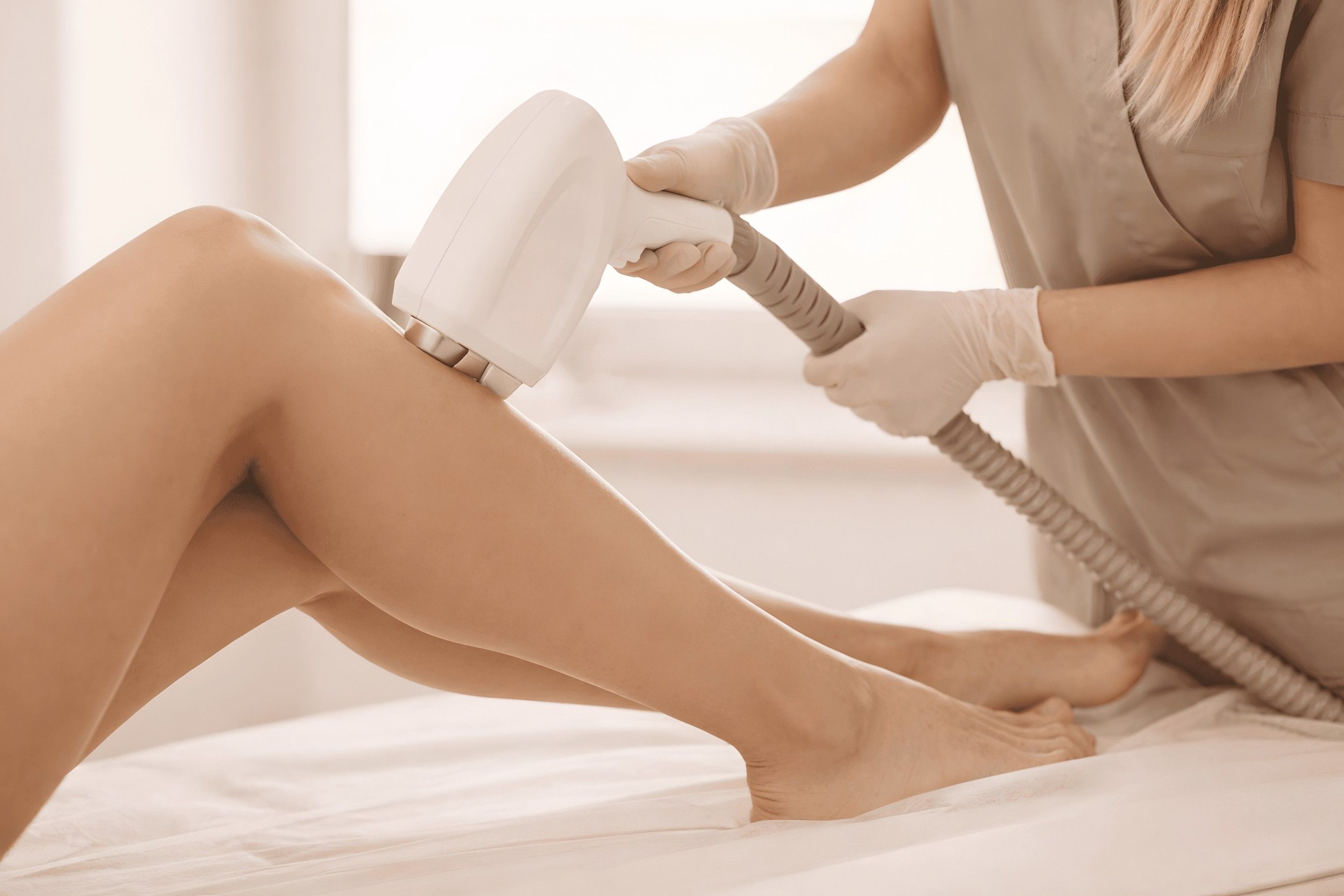
For underarms and bikini areas especially, laser hair reduction reduces the need for shaving and waxing — removing a major source of ongoing irritation. Read our laser hair removal guide.
What results to expect
Body pigmentation fades gradually. With consistent care and treatment, most people see a more even tone over several weeks to a few months. Keeping results means continuing the habits that reduce friction and irritation.
Book a consultation
At The Asense in West Punjabi Bagh, every plan begins with a consultation led by Dr. Anisha Rai Kumar, our Medical Director, to understand what’s causing your pigmentation. Book yours. For pigmentation on the face, see our guide to pigmentation vs melasma.
This article is for general education and is not a substitute for a personal consultation.
Frequently asked questions
Why are my underarms dark?
Underarm darkening is usually caused by friction, shaving or waxing, sweat, dead-skin build-up, irritation from some deodorants, and sometimes hormonal or metabolic factors such as insulin resistance. Indian skin is especially prone to darkening after irritation.
Can dark underarms be lightened?
Yes, in most cases. Reducing friction and irritation, gentle exfoliation, suitable topical ingredients and targeted in-clinic treatments can significantly even out the tone over time.
Does laser hair removal help dark underarms?
It can help. Frequent shaving and waxing irritate the skin and leave a dark, dotted look from regrowth. Reducing hair through laser lowers that irritation, which often leads to smoother, more even-looking underarms over time.
Is dark skin on the neck a sign of a health problem?
Velvety, darkened skin on the neck, underarms or groin can sometimes be associated with insulin resistance or hormonal conditions (a condition known as acanthosis nigricans). If you notice this, especially with weight changes, it's worth seeing a doctor for a check-up.
Which treatment does The Asense offer for body pigmentation?
Luminex is a targeted treatment designed to visibly improve pigmentation and restore a clearer, more even tone across face and body, including the underarms, elbows and other areas prone to darkening. It is planned after a detailed consultation.