skin · · 7 min read
Chemical Peels for Indian Skin: Types, Benefits, Downtime & Aftercare
What chemical peels do, which types suit Indian skin, what to expect during and after a peel, how often to get one, and how to avoid pigmentation.
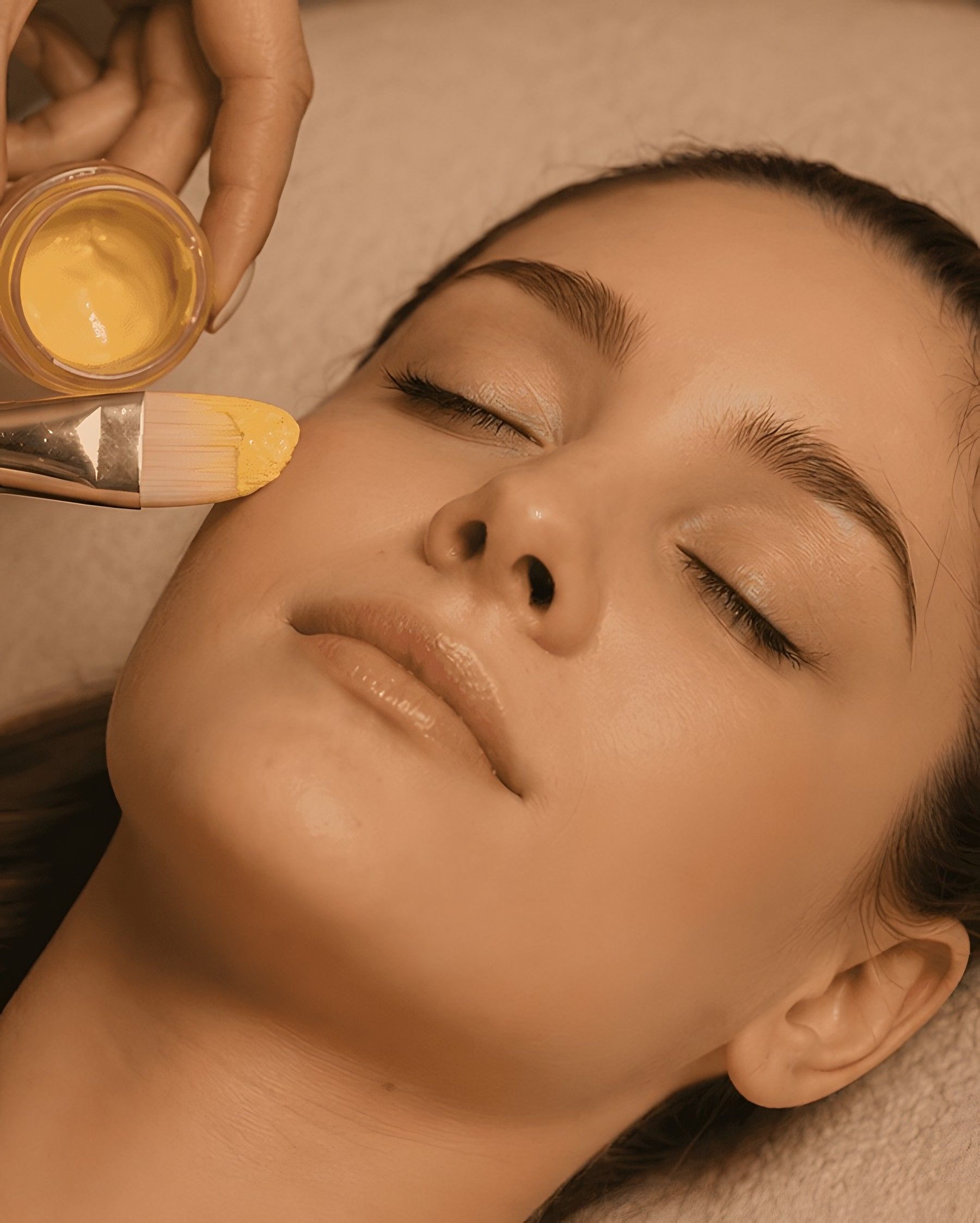
Chemical peels have been used for decades to refresh and resurface the skin — and they remain one of the most versatile treatments for dullness, uneven tone, post-acne marks and congestion. For Indian skin, though, choosing the right peel matters more than anything.
What is a chemical peel?
A chemical peel uses a controlled acid solution to dissolve the bonds holding dead and damaged surface cells together. As these cells shed, they reveal fresher, smoother skin underneath and stimulate renewal.
What peels can help with
- Dull, tired-looking skin
- Rough texture and enlarged-looking pores
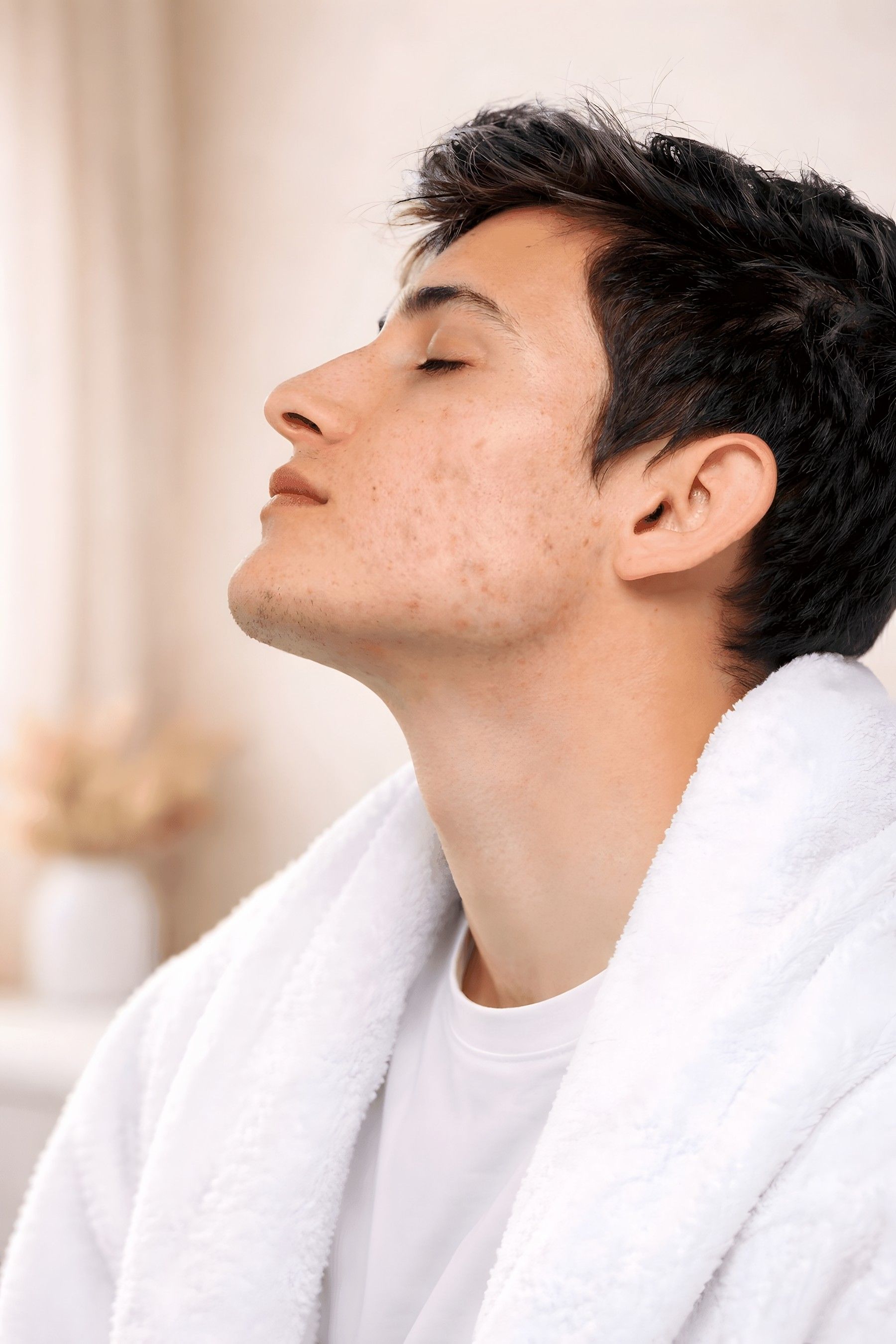
- Post-acne marks and uneven tone
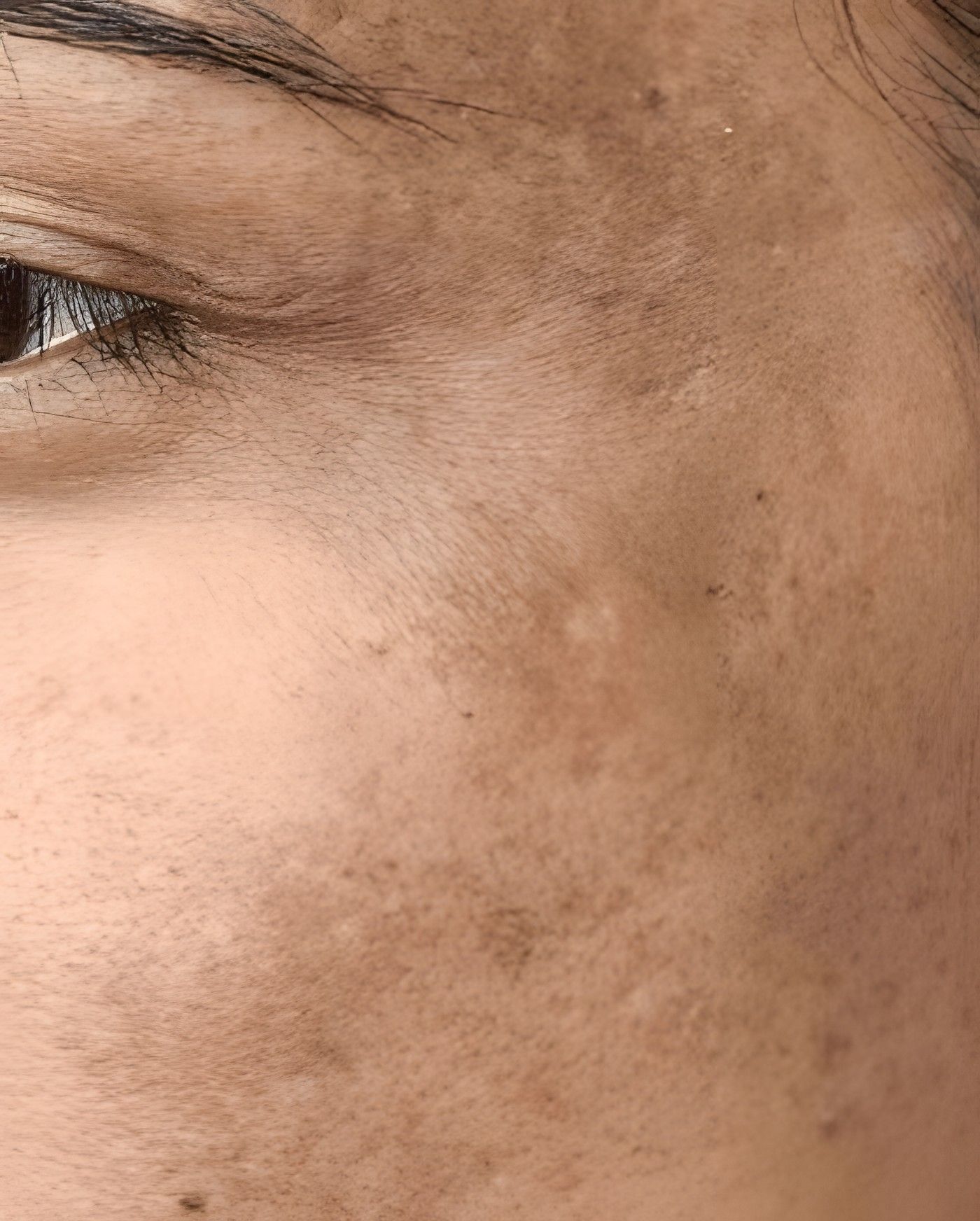
- Tanning and some types of pigmentation
- Oily, congested, acne-prone skin
- Early fine lines
Types of chemical peels
Superficial peels
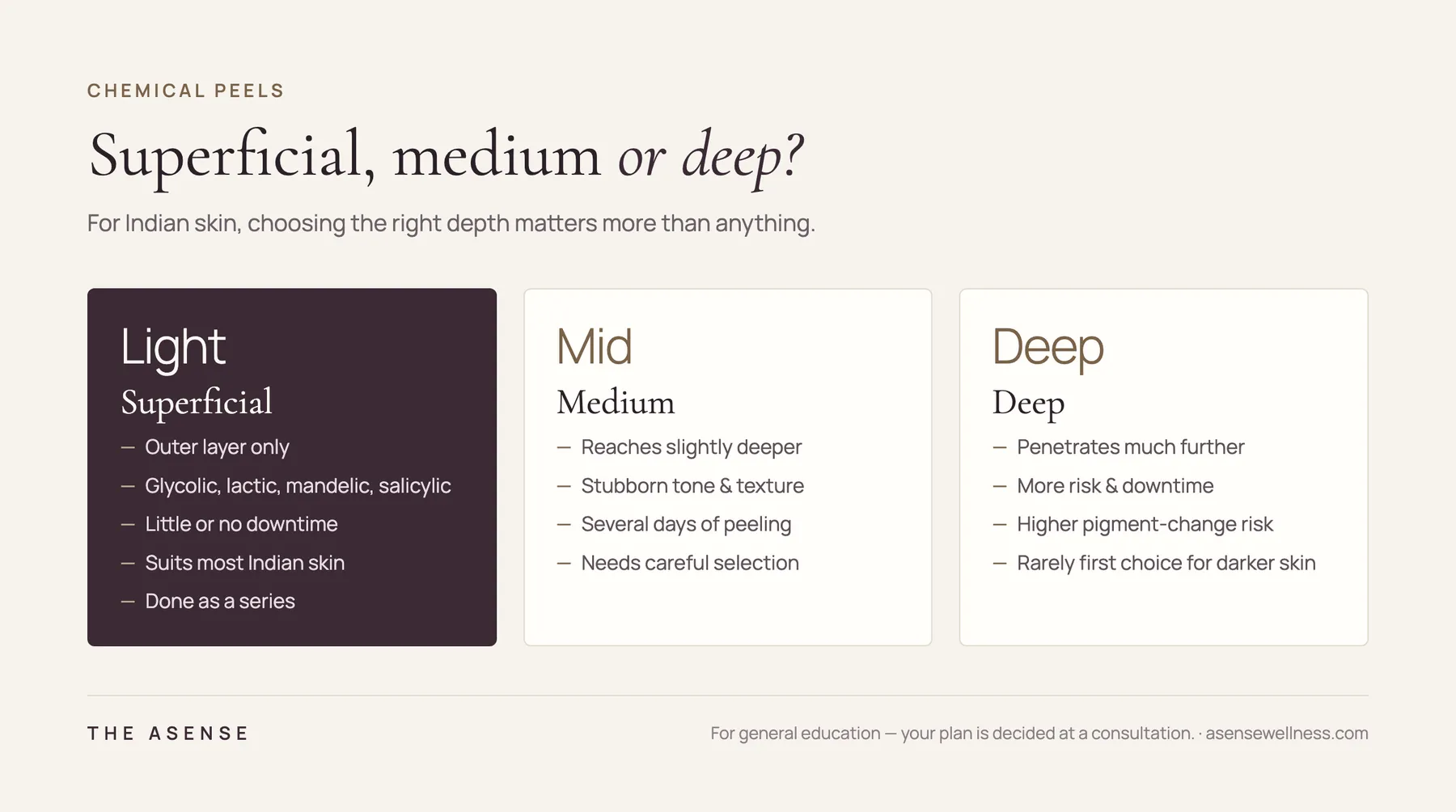
These work on the outermost layer of skin, using gentle acids such as glycolic, lactic, mandelic or salicylic acid. They suit most skin types — including Indian skin — and have little or no downtime. They’re usually done as a series.
- Glycolic acid — brightening and smoothing
- Lactic acid — gentle and hydrating, good for sensitive or dry skin
- Mandelic acid — gentle, larger molecule, often well suited to darker skin
- Salicylic acid — oil-soluble, ideal for oily and acne-prone skin
Medium peels
These reach slightly deeper and can address more stubborn pigmentation and texture, with several days of peeling and redness. They need careful selection for Indian skin.
Deep peels
Deep peels penetrate much further and carry more risk and downtime. They’re rarely the first choice for darker skin types because of the higher risk of pigment changes.
What to expect during a peel
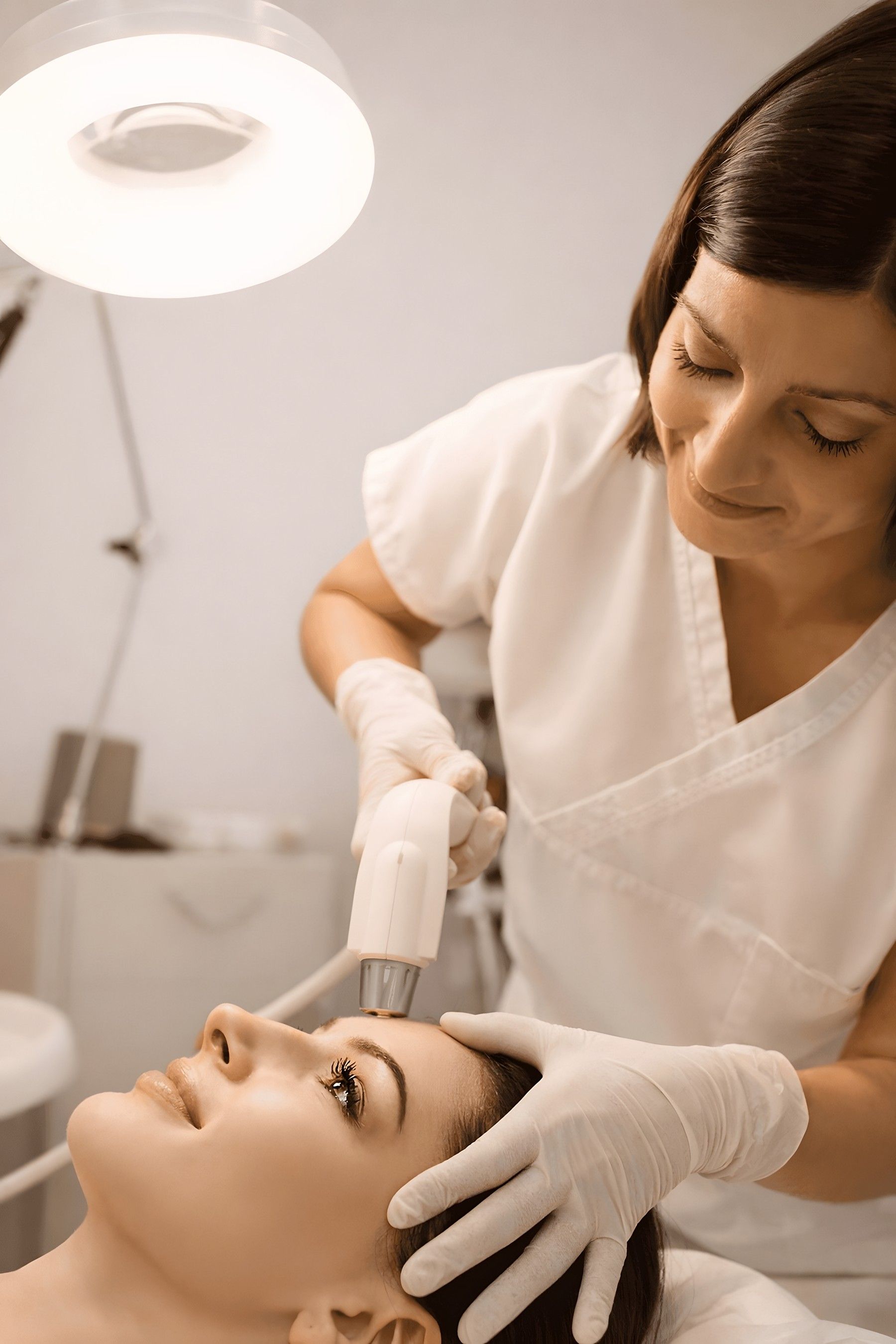
Your skin is cleansed and prepared, and the peel solution is applied for a set time. Most people feel tingling or warmth. The peel is then neutralised or removed, and soothing products and sunscreen are applied. A superficial peel takes under an hour.
Before your peel
- Stop retinoids and exfoliating acids a few days beforehand, as advised.
- Avoid waxing, threading and sun exposure on the face.
- Tell your clinician about any medicines, cold sores or skin conditions.
Aftercare: the most important part
- Use a gentle cleanser and a plain moisturiser.
- Apply broad-spectrum sunscreen every day, generously.
- Don’t pick at flaking skin — let it shed naturally.
- Skip scrubs, retinoids and acids until your skin has recovered.
- Avoid saunas, steam and intense workouts for a few days.
Sun protection is non-negotiable: freshly peeled skin is more sensitive, and sun exposure is the main reason peels can cause pigmentation in Indian skin.
Who should avoid peels?
Peels may not be suitable during pregnancy, with active infections or open wounds, with certain skin conditions, after recent isotretinoin use, or for people prone to keloids. A consultation is essential.
Getting the best results
Peels work best as part of a plan — combined with a good home routine and, where appropriate, other treatments. Learn more about related concerns in our guides to pigmentation vs melasma, acne scars and why skin isn’t glowing.
Brightening and resurfacing at The Asense
At The Asense, treatments for tone and texture are chosen after a detailed consultation with our Medical Director, Dr. Anisha Rai Kumar. Options include Luminex for pigmentation and uneven tone, Glow Getter for a luminous, refined finish, and Eclipse for oily, congested skin. Book a consultation at our West Punjabi Bagh clinic.
This article is for general education and is not a substitute for a personal consultation.
Frequently asked questions
Are chemical peels safe for Indian skin?
Yes, when the right peel and strength are chosen for your skin type and the treatment is performed by trained professionals. Indian skin is more prone to pigmentation after irritation, so superficial peels, careful preparation and strict sun protection are important.
Is there downtime after a chemical peel?
Superficial peels usually have little or no downtime — perhaps mild redness and light flaking for a few days. Medium and deeper peels involve more peeling and redness and need more recovery time.
How often can I get a chemical peel?
Superficial peels are often done as a series a few weeks apart, then for maintenance. The right frequency depends on the peel, your skin and your goals, so your clinician will recommend a schedule.
What should I avoid after a chemical peel?
Avoid sun exposure, picking or peeling flaking skin, scrubs, retinoids and exfoliating acids, waxing, saunas and heavy workouts for the period your clinician advises. Use a gentle cleanser, moisturiser and broad-spectrum sunscreen.
Can chemical peels remove pigmentation?
Peels can help fade many types of pigmentation, including tanning and post-acne marks, especially as a series combined with daily sunscreen and good home care. Stubborn pigmentation such as melasma needs a carefully planned, gentle approach.